Die Baumaschinenindustrie steht 2025 vor einem entscheidenden Wendepunkt, da die Energieversorgung von Diesel auf Elektroantrieb umgestellt wird. Aktuelle Daten zeigen, dass der Marktanteil elektrischer Radlader innerhalb eines Monats 23,35 % erreichte. Dies signalisiert, dass neue Energieprodukte den Übergang von der frühen Einführungsphase zur großflächigen Ablösung bestehender Systeme vollzogen haben. Dank einer ausgereiften Lieferkette für Batterien und rasanter technischer Weiterentwicklungen ist der chinesische Maschinenbau heute führend im globalen Trend zu grüner Entwicklung.
Marktleistung: Großflächiger Einsatz von Elektroladern
Im November 2025 erreichten die Inlandsverkäufe von elektrischen Radladern 2.935 Einheiten, was ein deutliches Wachstum gegenüber dem Vorjahr darstellt. Die monatliche Marktdurchdringung stieg auf einen Rekordwert von 23,35 %.
Unter den verschiedenen Gerätetypen haben Radlader die beeindruckendsten Fortschritte erzielt. Dies ist vor allem auf ihren intensiven Einsatz in stationären Umgebungen wie Bergwerken, Stahlwerken und Häfen zurückzuführen, wo die Ladeinfrastruktur gut ausgebaut ist. Elektrobagger hingegen befinden sich aufgrund der komplexeren Einsatzumgebungen noch in einer frühen Wachstumsphase (mit 19 verkauften Einheiten im November). Branchenprognosen gehen davon aus, dass die Elektrifizierungsrate im Baumaschinensektor bis Ende 2025 insgesamt 35 % erreichen könnte.

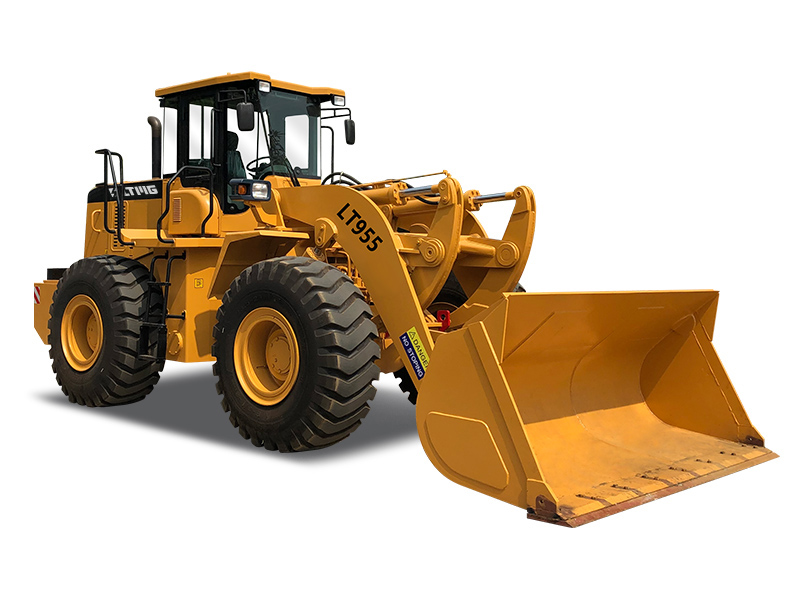
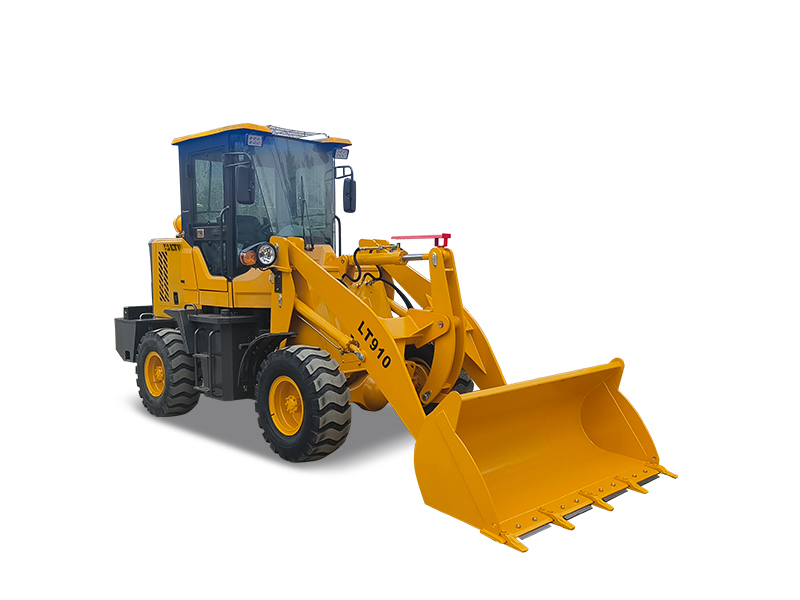
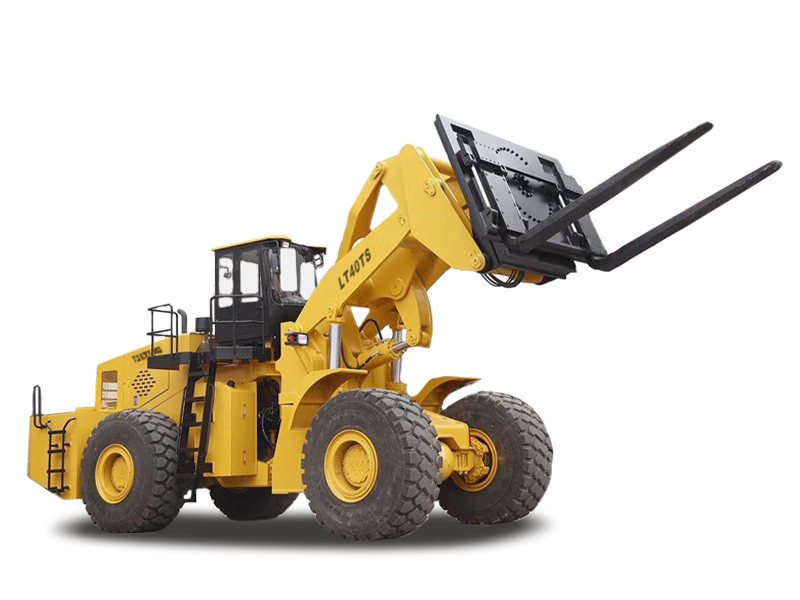
Marken mit starker globaler Präsenz sind Vorreiter dieses Trends. So hat sich beispielsweise der elektrische Radlader LT950EV von LTMG mit seiner Nennkapazität von 5 Tonnen und einer Akkulaufzeit von 8–12 Stunden in zahlreichen Häfen und Logistikparks weltweit zu einer Standardwahl für den Routinebetrieb entwickelt.
Wirtschaftliche Vorteile: Reduzierung der Betriebskosten für Unternehmen
Rückmeldungen aus der Praxis zeigen, dass der Umstieg auf Elektromobilität nicht mehr nur eine Geste der Umwelt ist – er ist eine strategische Entscheidung zur Steigerung der Rentabilität.
Schneller Return on Investment (ROI): Mit zunehmender technologischer Reife verringert sich der anfängliche Preisunterschied bei Elektrogeräten. Die Amortisationszeit für die Mehrkosten einer Elektromaschine hat sich auf etwa 2,8 Jahre verkürzt.
Energieeinsparungen: Die Energiekosten elektrischer Geräte betragen nur etwa ein Drittel der Kosten herkömmlicher Dieselmaschinen.
Niedrigere Batteriekosten: Die Batteriekosten machen mittlerweile 40–50 % der gesamten Maschinenkosten aus. Diese niedrigere Einstiegshürde ermutigt immer mehr Endanwender, ihre Maschinenflotten zu modernisieren.
Technischer Weg: Kernsysteme mit drei elektrischen Antrieben und diverse Energiepfade
Chinas hohe Investitionen in Kerntechnologien bilden die Grundlage für diesen Wandel. Die Branche hat bei „Drei-Elektro“-Systemen (Batterie, Motor und elektronische Steuerung) Selbstversorgung erreicht und hocheffiziente Schnellladetechnologie eingeführt, wodurch das Problem der Ladezeiten effektiv gelöst wird.
Die Technologie wird präzise auf spezifische Arbeitsbedingungen zugeschnitten. Nehmen wir die Elektrobaureihe von LTMG als Beispiel:
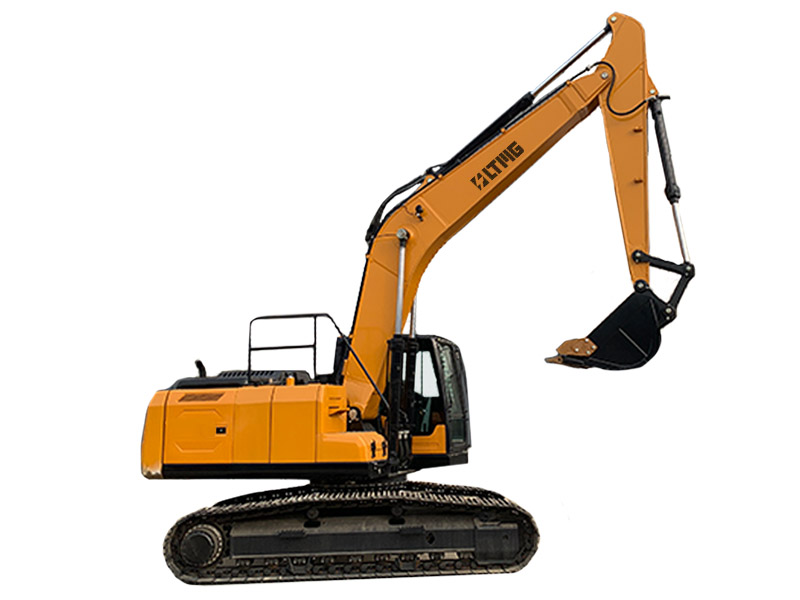
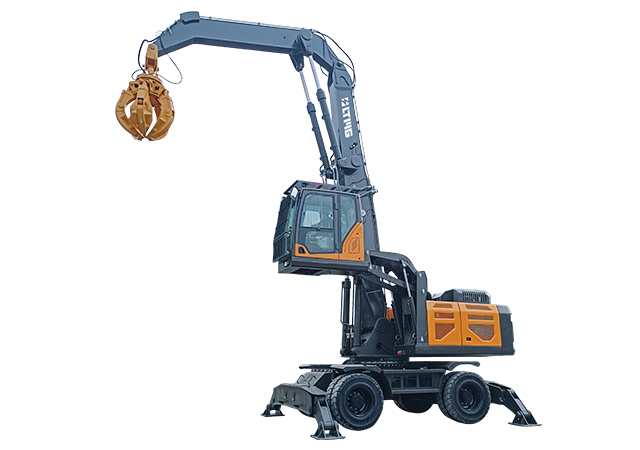
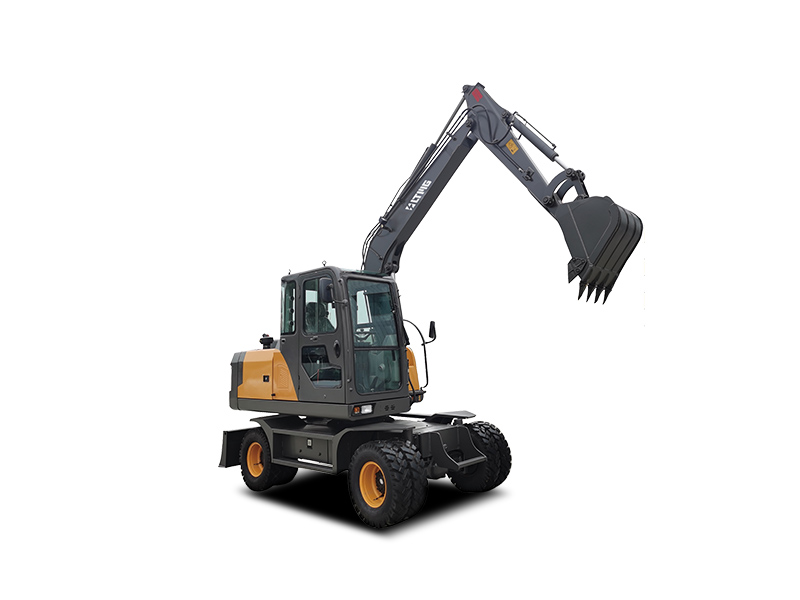
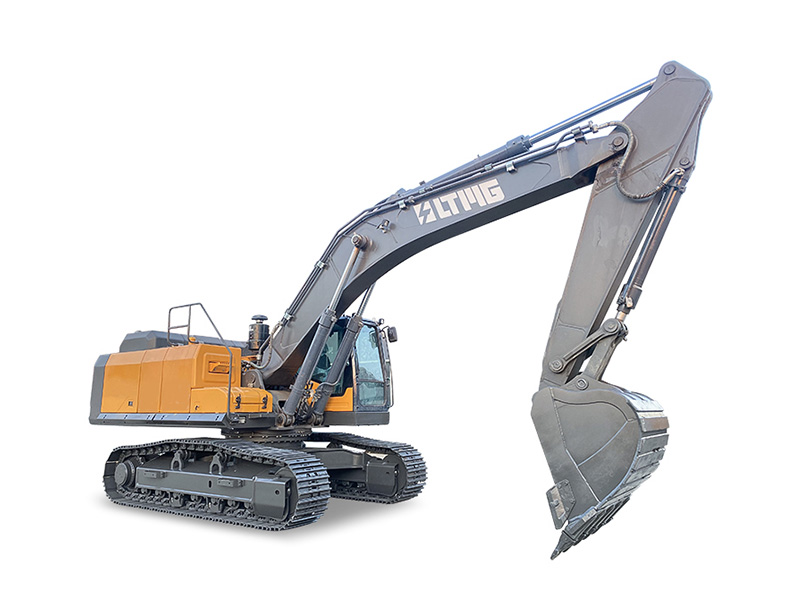
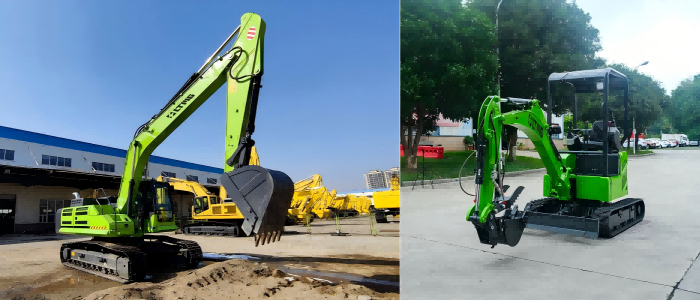
Elektrobagger: Für Aufgaben an festen Standorten, wie z. B. auf Schrottplätzen oder bei Abbrucharbeiten in Innenräumen, verwenden Modelle wie der LTE210EV ein kabelgebundenes/steckbares Design, um eine unbegrenzte Laufzeit zu gewährleisten.
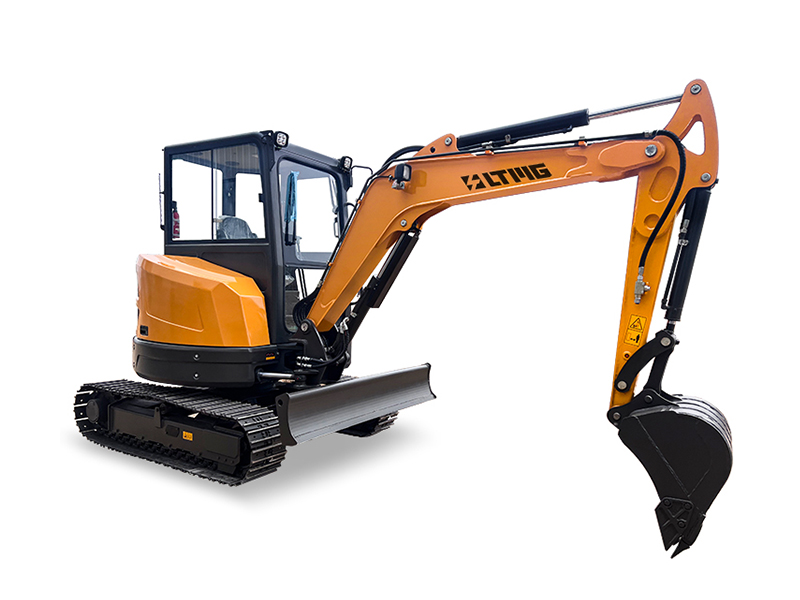
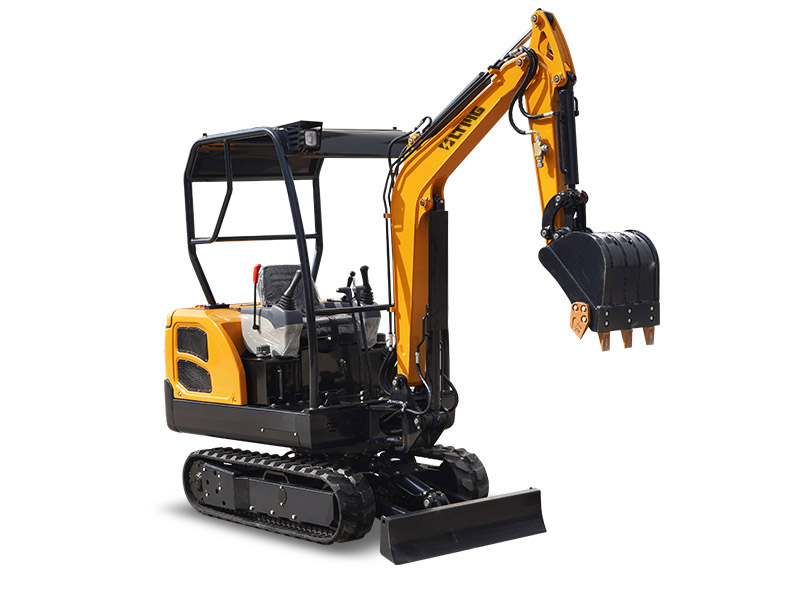
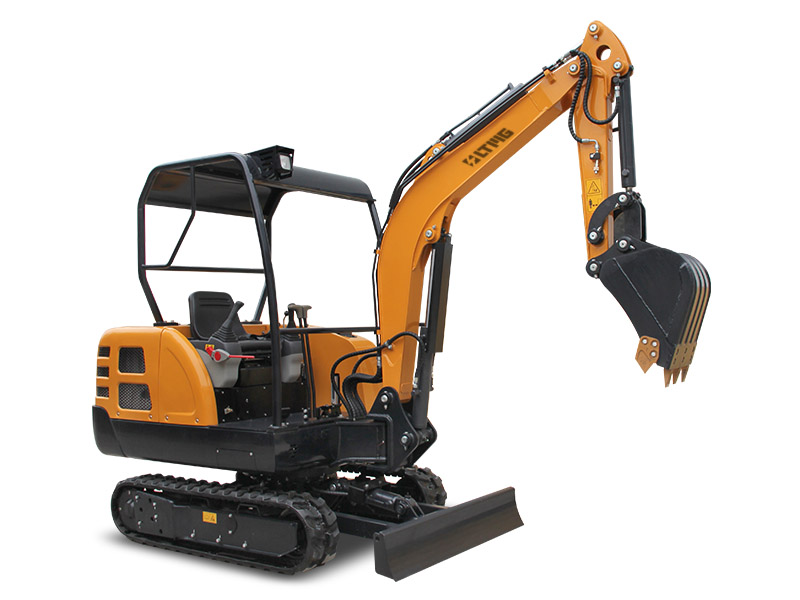
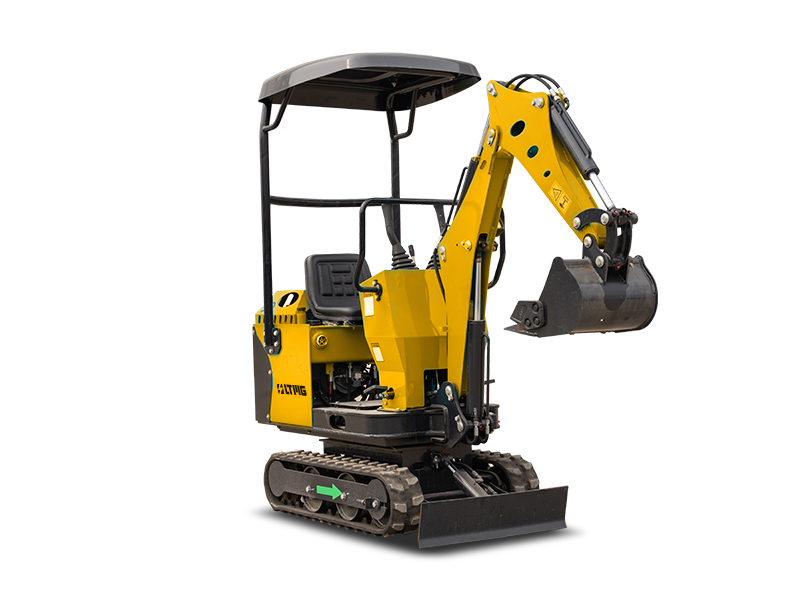
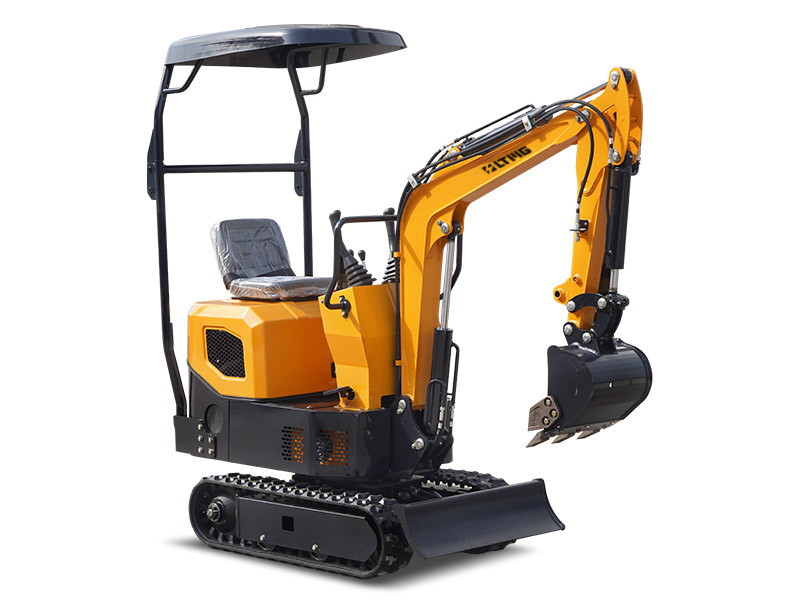
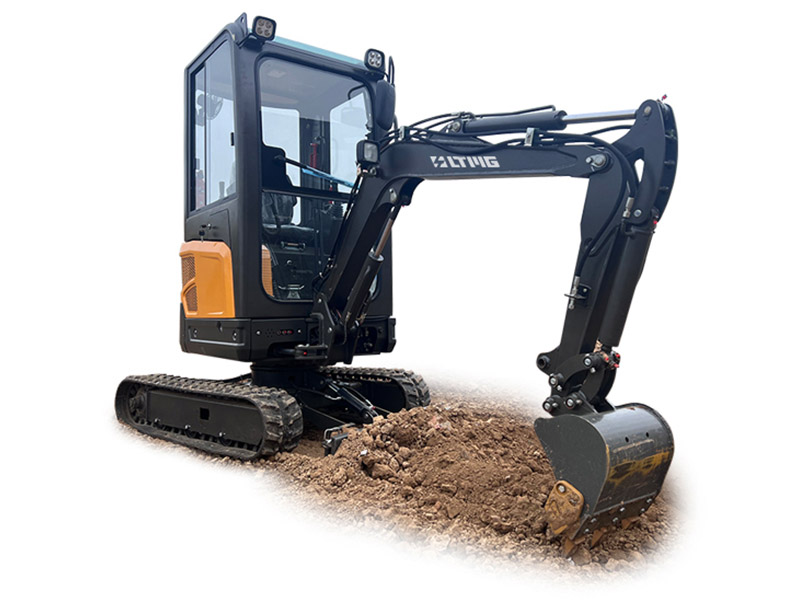
Kompakte elektrische Geräte: Für die städtische Landschaftsgestaltung und beengte Platzverhältnisse nutzt der elektrische Minibagger LTB09 Lithium-Batterien, um einen extrem geräuscharmen und emissionsfreien Betrieb zu gewährleisten.
Darüber hinaus erforscht die Branche zukunftsweisende Wege wie Wasserstoff-Brennstoffzellen, um emissionsfreie Lösungen für extreme Umgebungen bereitzustellen, in denen das elektrische Laden schwierig sein kann.
Praktische Anwendung: Von Einzelmaschinen zu grünen Lieferketten
Die Einführung elektrischer Maschinen verändert die Betriebsabläufe in Schlüsselbranchen grundlegend. In anspruchsvollen, geschlossenen Umgebungen wie Bergwerken und Häfen werden elektrische Produkte in großen Mengen geliefert.
Führende Unternehmen bieten mittlerweile integrierte grüne Lösungen an, die von Erdarbeiten und Transport bis hin zur Hafenverladung alles abdecken. Marken wie LTMG bieten maßgeschneiderte Elektroflottenlösungen für internationale Kunden. Dieser Wandel reduziert nicht nur die CO₂-Emissionen, sondern verbessert auch die Wartungseffizienz durch vereinfachte Serviceprozesse.
Branchentrends: Strengere Emissionsnormen treiben Flottenmodernisierungen voran
Mit der Einführung strengerer Emissionsnormen (wie China IV und V sowie ähnlicher globaler Standards) steigt der Druck, alte, emissionsintensive Anlagen zu ersetzen. Die Kombination aus politischen Vorgaben und wirtschaftlichen Vorteilen beschleunigt die Ablösung herkömmlicher Dieselmaschinen und schafft einen riesigen Markt für alternative Energieträger.
Fazit: Gestützt auf eine ausgereifte Lieferkette für Batterien und vielfältige Anwendungsszenarien, schreitet die chinesische Baumaschinenindustrie auf dem Weg in eine kohlenstoffarme Zukunft rasant voran. Durch technische Innovationen und eine tiefe Marktintegration stärken chinesische Hersteller nicht nur ihre globale Wettbewerbsfähigkeit, sondern bieten auch praxisnahe und nachhaltige Lösungen für die weltweite Bauindustrie.
Tel : +86 195 5920 7570
Email : market@ltmg.com
WhatsApp : +86 195 5920 7570
Hinzufügen : LTMG Group, Electronics City(Xiamen) International Innovation Center, No.23, Duiying Road, Jimei District, Xiamen, China


Holen Sie sich die neuesten Produktinformationen und Angebotsinformationen