Leitfaden zur Auswahl von Raupenbaggern: Wie wählen Sie die richtige Baggergröße für Ihr Projekt?
May 21, 2026
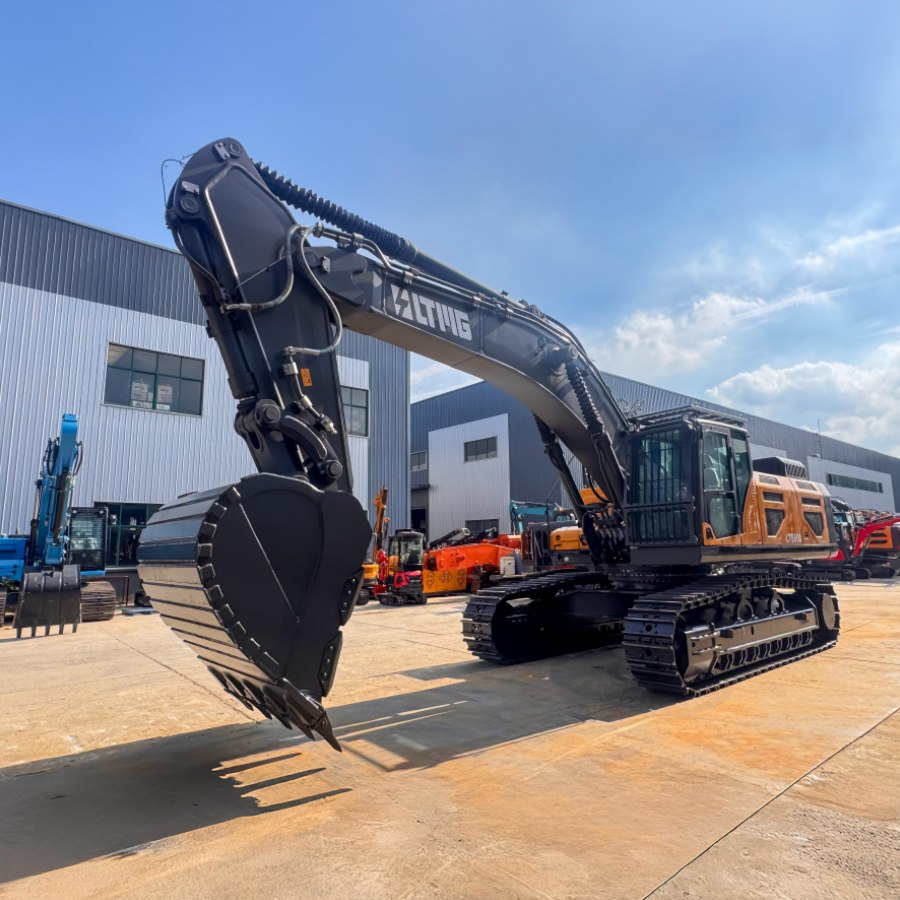
Bei Bauprojekten ist es unerlässlich, die verschiedenen Baggertypen zu kennen, bevor der passende Raupenbagger ausgewählt wird. Die Auswahl hängt nicht von einem einzelnen Parameter ab, sondern erfordert eine umfassende Bewertung von Projektgröße, Arbeitsintensität und Betriebseffizienz. Unterschiedliche Maschinengrößen unterscheiden sich deutlich in Stabilität, Grableistung und Dauerleistung, was sich direkt auf Bauergebnisse und Kosteneffizienz auswirkt.Basierend auf realen technischen Anwendungen klassifiziert LTMG Raupenbagger in vier Haupttonnagekategorien, die von kompakten Modellen bis hin zu großen Baumaschinen alles abdecken und den Anwendern helfen, die richtige Ausrüstung intuitiver auszuwählen.Technische Kernparameter eines RaupenbaggersBei der Auswahl eines Raupenbaggers wird die Tonnageklassifizierung durch mehrere wichtige technische Parameter bestimmt. Diese Faktoren beeinflussen direkt Leistung, Effizienz und Einsatzbereich.BetriebsgewichtDas Betriebsgewicht bezeichnet das Gesamtgewicht des Baggers im normalen Betriebszustand. Es bestimmt die Stabilität und Tragfähigkeit der Maschine. Generell gilt: Je höher das Betriebsgewicht, desto stabiler arbeitet der Bagger unter Schwerlastbedingungen.MotorleistungDie Motorleistung definiert die Energieabgabe des Antriebssystems des Baggers und wird üblicherweise in kW oder PS gemessen. Sie beeinflusst direkt die Arbeitseffizienz unter Last und entscheidet darüber, ob die Maschine auch bei Langzeitbetrieb eine stabile Leistung erbringen kann.EimerkapazitätDas Schaufelvolumen bezeichnet die Menge an Material, die die Baggerschaufel in einem Arbeitsgang umschlagen kann, gemessen in Kubikmetern (m³). Es ist einer der wichtigsten Indikatoren für die Produktivität eines Baggers. Größere Schaufeln steigern die Effizienz, erfordern jedoch eine stabilere Konstruktion und mehr Motorleistung.Spezifikation1,5-7,5 Tonnen Raupenbagger23-38 Tonnen RaupenbaggerBetriebsgewicht1.500 kg - 7.500 kg23.000 kg - 38.000 kgEimerkapazität0,025 m³-0,28 m³1,1 m³–1,9 m³Nennleistung / Drehzahl10,2 kW / 2500 U/min-42,2 kW / 2000 U/min124 kW / 2050 U/min – 219 kW / 1900 U/minProduktbildAus dem Parametervergleich wird deutlich, dass es sich bei den verschiedenen Raupenbaggergrößen nicht einfach um eine numerische Steigerung handelt, sondern um eine Konfiguration, die auf unterschiedliche Arbeitsanforderungen abgestimmt ist.Das Betriebsgewicht korreliert positiv mit dem Schaufelvolumen. Mit zunehmender Tonnage verbessern sich die strukturelle Festigkeit und Stabilität, was ein größeres Schaufelvolumen und eine höhere Produktivität pro Zyklus ermöglicht.Die Motorleistung steigt mit der Tonnage, während die Motordrehzahl sinkt. Kleine Bagger verwenden typischerweise schnelllaufende Motoren mit geringer Leistung (z. B. 2500 U/min) für schnellere Reaktionszeiten und Flexibilität, die für leichte und präzise Arbeiten geeignet sind. Große Bagger verwenden langsam laufende Motoren mit hohem Drehmoment (z. B. 1900 U/min), um eine stabile Leistung für den harten und kontinuierlichen Einsatz zu gewährleisten. Raupenbagger-Typen und AnwendungsszenarienMini-Raupenbagger (0,8–3,5 t)Ein Mini-Raupenbagger wird hauptsächlich in beengten Räumen und bei leichten Aushubarbeiten eingesetzt, wo manuelle Arbeit ineffizient oder unmöglich ist. Er findet auch breite Anwendung beim Aushub von Kriechkellern, wo der Arbeitsraum extrem begrenzt ist und präzises Graben erforderlich ist.Typische Anwendungsbereiche:Enge oder beengte BaustellenFlache Ausgrabungen in der Nähe bestehender BauwerkeGarten-, Landwirtschafts- und LandschaftsbauarbeitenEinschränkungen:Geringere Effizienz in dichtem BodenNicht geeignet für großflächige Aushubarbeiten oder kontinuierliche BelastungDaher handelt es sich bei dieser Tonnage nicht um eine Universalmaschine, sondern um ein Werkzeuggerät, das dazu dient, manuelle Arbeit oder kleine Maschinen unter eingeschränkten Arbeitsbedingungen zu ersetzen.Es wird häufig für die Gartenpflege sowie für landwirtschaftliche Betriebe oder Obstplantagen verwendet.In dieser Phase sind die LTMG-Modelle mit einer Tragfähigkeit von 0,8 bis 3,5 Tonnen so positioniert, dass sie „auch in beengten Räumen eingesetzt werden können und grundlegende Aufgaben effizient erledigen“.LTMG 1,5-Tonnen-RaupenbaggerKleiner bis mittelgroßer Raupenbagger (6,5–13,5 t)Dies ist die am häufigsten verwendete Kategorie auf dem Markt für Baggermaschinen.Typische Anwendungsbereiche:FundamentaushubBau einer städtischen PipelineBodenbelastungs- und VerfüllzyklenIm Vergleich zu Mini-Modellen ermöglicht diese Baureihe einen kontinuierlichen Betrieb ohne häufige Leistungseinbrüche.Es zeigen sich jedoch Einschränkungen bei Folgendem:Effizienz der GroßverladungTiefbau in hochdichtem BodenSie wird häufig für Gebäudefundamente, im kommunalen Tiefbau und bei allgemeinen Erdbewegungsarbeiten eingesetzt und ist damit eine der am weitesten verbreiteten Hauptbaumaschinenarten.Bei den LTMG-Modellen 6,5T–13,5T liegt der Konstruktionsschwerpunkt in diesem Bereich auf einer stabilen Ausgangsleistung und nicht auf maximaler Einzelzyklusleistung.7,5-Tonnen-RaupenbaggerMittelgroßer Raupenbagger (15–23,5 t)In dieser Phase wandelt sich die Maschine von einem Allzweckwerkzeug zu einem produktionsorientierten Bagger.Typische Anwendungsbereiche:Großvolumige ErdbewegungIndustriebauprojekteLangfristige kontinuierliche AusgrabungDie Hauptunterschiede im Vergleich zu kleinen und mittelgroßen Geräten sind:Kleinere Bagger neigen im Dauerbetrieb eher zu Effizienzschwankungen.In diesem Tonnagebereich kann eine stabile Zykluseffizienz aufrechterhalten werden.Zu den Einschränkungen gehören jedoch:Weniger Flexibilität bei hochpräzisen OperationenEingeschränkte Manövrierfähigkeit in beengten RäumenDas Wesen dieser Klasse besteht daher im Tausch von Flexibilität gegen hohe Produktivität.Es wird häufig im großen Fundamentbau, bei Industrieprojekten und kontinuierlichen Erdbewegungsarbeiten eingesetzt und eignet sich daher für Arbeiten mittlerer bis hoher Intensität.Bei den LTMG-Modellen 15T–23,5T liegt der Fokus auf stabiler Leistung statt auf vielseitiger Anpassungsfähigkeit.23-Tonnen-RaupenbaggerGroßer Raupenbagger (24 Tonnen und mehr)Ein großer Raupenbagger ist für maximale Produktivität bei Erdbewegungsarbeiten ausgelegt.Typische Anwendungsbereiche:BergbaubetriebeGroße InfrastrukturprojekteSchwerlast-DaueraushubVorteile:Extrem hohe GrabkapazitätLangfristiger stabiler BetriebHohe Produktivität pro ZyklusEinschränkungen:Benötigt mehr ArbeitsflächeEingeschränkte MobilitätHöhere Anforderungen an die BaustellenvorbereitungDaher besteht der Kern dieses Tonnagebereichs darin, Flexibilität gegen nachhaltige Produktivität einzutauschen.Es wird häufig im Bergbau, bei großflächigen Erdbewegungsarbeiten und in anspruchsvollen Dauerbetriebsszenarien eingesetzt, wobei hohe Produktivität und langfristig stabile Leistung im Vordergrund stehen.Die LTMG-Modelle ab 24 Tonnen sind hauptsächlich für anspruchsvolle Projekte mit kontinuierlichem Produktionsbedarf konzipiert. 60-Tonnen-Raupenbagger AbschlussLTMG bietet eine umfassende Palette an Raupenbaggern von 0,8 Tonnen bis über 24 Tonnen für alle gängigen Bauprojekte. Ob Sie einen Mini-Raupenbagger für beengte Platzverhältnisse oder ein großes Modell für schwere Erdbewegungsarbeiten benötigen – die Wahl der richtigen Raupenbaggergröße gewährleistet höhere Effizienz, Stabilität und Kostenkontrolle.Für detaillierte Spezifikationen oder Modellempfehlungen, LTMG kann maßgeschneiderte Lösungen anbieten, die auf Ihre Projektanforderungen abgestimmt sind.Häufig gestellte Fragen Was ist ein Raupenfahrzeug an einem Bagger?Als Raupenfahrwerk bezeichnet man das Kettenfahrwerk eines Baggers. Im Vergleich zu Rädern bietet ein Raupenbagger eine größere Bodenkontaktfläche, was die Stabilität und Traktion auf weichem oder unebenem Untergrund wie Schlamm, Sand und Kies verbessert. Was kostet ein Raupenbagger?Die Kosten eines Die Kosten für einen Raupenbagger hängen von Tonnage, Konfiguration, Motorsystem und Hydraulikkomponenten ab. Im Allgemeinen sind kleinere Modelle günstiger, während größere Maschinen mit leistungsstärkeren Systemen deutlich teurer sind. Worin besteht der Unterschied zwischen einem Radbagger und einem Raupenbagger?Ein Radbagger bietet höhere Mobilität und eignet sich für den städtischen Straßenbau und häufige Standortwechsel. Ein Kettenbagger hingegen bietet bessere Stabilität und ist ideal für Baustellen, Erdbewegungen und unebenes Gelände.