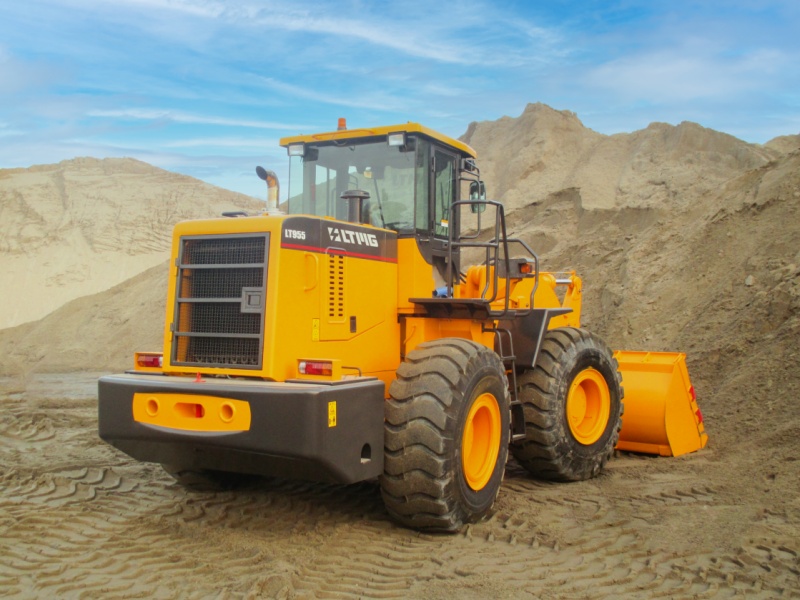
Radlader-Ratgeber: Modellunterschiede verstehen und das passende Modell finden
Jan 19, 2026
In der Welt der Baumaschinen ist der Radlader aufgrund seiner Vielseitigkeit und Leistung ein fester Bestandteil. Angesichts der großen Auswahl an Modellen mit unterschiedlichen Größen, Leistungen und Konfigurationen fragen sich jedoch viele Käufer: Welches Modell bietet die beste Rentabilität für mein spezifisches Projekt? Die Wahrheit ist, dass Unterschiede zwischen Radlader Bei Modellen gilt nicht einfach „größer ist besser“. Jede Maschine ist speziell für ihren jeweiligen Anwendungsbereich konzipiert. Indem Sie die grundlegende Klassifizierungslogik und die wichtigsten technischen Unterschiede verstehen, können Sie schnell die kostengünstigste Lösung für Ihr Unternehmen finden. Dieser Leitfaden erklärt Ihnen alles, was Sie über die Auswahl von Radladern wissen müssen – von technischen Spezifikationen bis hin zu Beschaffungsstrategien. 1. Klassifizierung: Wie Radlader kategorisiert werdenBevor wir uns mit den technischen Daten befassen, ist es wichtig zu verstehen, wie die Hersteller diese Maschinen gruppieren. Dies hängt in der Regel von drei Faktoren ab: Größe, Anwendung und Stromquelle.Nach Tonnage und Größe:Kleine Radlader (≤ 5 Tonnen): Kompakt und wendig. Ideal für beengte Platzverhältnisse, Landschaftsbau oder kleinere landwirtschaftliche Arbeiten.Mittlere Radlader (5–15 Tonnen): Die Arbeitstiere der Branche. Ausgewogene Leistung für allgemeine Bau- und Straßenbauarbeiten.Große Radlader (>15 Tonnen): Schwerlast-Giganten, die für Umgebungen mit hohem Leistungsbedarf wie Bergwerke und großflächige Infrastrukturprojekte konzipiert sind. Auf Antrag: Die Modelle sind oft für ihren jeweiligen Einsatzbereich optimiert. Ein für den Bergbau konzipierter Radlader zeichnet sich durch verstärkte Rahmen und hohe Langlebigkeit aus, während bei einem Landwirtschaftsmodell Multifunktionalität und ein geringerer Platzbedarf für weiche Böden im Vordergrund stehen.Nach Energieart:Dieselmodelle: Die traditionelle Wahl für intensive, lang andauernde Arbeiten mit einer zuverlässigen Kraftstoffversorgungskette.Elektro-/Hybridmodelle: Ein wachsender Trend auf dem Markt für Industrieanlagen. Sie bieten niedrigere Betriebskosten, emissionsfreien Betrieb und einen nahezu geräuschlosen Betrieb – ideal für Innenräume oder umweltsensible Standorte. 2. Wichtigste Unterschiede zwischen verschiedenen RadladermodellenWofür genau bezahlen Sie, wenn Sie von einem Modell zum anderen wechseln? Hier sind die vier wichtigsten Unterschiede. 2.1 LeistungsparameterNutzlast und Betriebsgewicht: A 3-Tonnen-Kompaktlader Für leichtes Bauschutt ist ein kleineres Modell ideal, für größere Mengen an Zuschlagstoffen ist jedoch ein 20-Tonnen-Modell erforderlich. Die Wahl der falschen Tonnage führt entweder zu Kraftstoffverschwendung oder zu einer Überlastung des Geräts.Motorleistung und Drehmoment: Höhere PS-Zahlen bedeuten schnellere Arbeitszyklen, während das Drehmoment die „Ausbrechkraft“ bestimmt – wie stark die Maschine in einen Haufen schweren Materials drücken kann.Geschwindigkeit: Kleinere Lader sind oft schneller und wendiger für häufige Standortwechsel, während größere Modelle auf Stabilität und gleichmäßiges Tempo unter schweren Lasten ausgelegt sind.2.2 TragwerksplanungVielseitige Schaufeloptionen: Die Modelle können mit Steinschaufeln (verstärkt für Steine), Leichtgutschaufeln (überdimensioniert für Getreide oder Schnee) oder Standard-Mehrzweckschaufeln ausgestattet werden. Die richtige Schaufelkonstruktion kann die stündliche Produktivität um über 20 % steigern.Reifenoptionen: Je nach Modell und Gelände können Sie zwischen Luftreifen für mehr Komfort, Vollgummireifen für Schrottplätze (um Pannen zu vermeiden) oder Reifen mit tiefem Profil für schlammige Minen wählen.Fahrgestell und Manövrierfähigkeit: Die meisten modernen Radlader verfügen über einen Knickrahmen. Kleinere Modelle bieten einen engeren Wendekreis und sind daher ideal für die Beschaffung in städtischen Gebieten, wo der Platz begrenzt ist.2.3 Funktionale MerkmaleSteuerungssysteme: Einstiegsmodelle verwenden einfache mechanische Hebel, während Premiummodelle über pilotengesteuerte Joysticks oder halbautonome Steuerungen verfügen, die die Ermüdung des Bedieners verringern und die Präzision verbessern.Anbaugeräte: Kann der Lader einen Holzgreifer, eine Palettengabel oder einen Hydraulikhammer bedienen? Universalmodelle bieten in der Regel die größte Flexibilität bei der Anbaugeräteauswahl.Sicherheit & Komfort: Zu den High-End-Modellen gehören druckbelüftete Kabinen, 360°-Kameras und ROPS/FOPS-Schutz, die für die langfristige Sicherheit und die Einhaltung moderner Arbeitsstandards unerlässlich sind.2.4 Wartungs- und BetriebskostenKraftstoff-/Energieverbrauch: Größere Dieselmaschinen haben zwar höhere Anschaffungskosten und einen höheren Kraftstoffverbrauch, ihre „Kosten pro bewegter Tonne“ können jedoch bei hohem Produktionsvolumen niedriger sein.Wartungszyklus: Kleine Lader sind einfacher zu warten. Große, hochtechnologische Modelle erfordern zwar eine spezielle Diagnose, sind aber oft mit robusten Bauteilen ausgestattet, die eine längere Gesamtlebensdauer aufweisen. 3. Auswahlhilfe: So wählen Sie den richtigen Radlader ausUm den besten Nutzen aus Ihrer Investition zu erzielen, folgen Sie dieser einfachen Logik:Definiere die Umgebung: Handelt es sich um eine enge Lagerhalle oder einen weitläufigen Tagebau? Davon hängen Größe und Reifentyp ab.Volumen berechnen: Wie viele Tonnen müssen Sie pro Stunde bewegen? Passen Sie dies an das Fassungsvermögen der Schaufel und die Motorleistung an.Analysieren Sie die Gesamtbetriebskosten (TCO): Betrachten Sie nicht nur den Anschaffungspreis. Berücksichtigen Sie Kraftstoffeffizienz, Verfügbarkeit von Ersatzteilen und potenziellen Wiederverkaufswert.Zukunftssicherheit: Wenn Ihre Projekte variieren, sollten Sie ein Modell mit einem Schnellkupplungssystem für einen einfachen Wechsel der Anbauteile bevorzugen. AbschlussDer „beste“ Radlader ist nicht der mit der höchsten PS-Zahl oder dem niedrigsten Preis – es ist derjenige, der am besten zu Ihrer täglichen Arbeitslast passt und dabei die höchste Effizienz bietet. Ob Sie einen wendigen Kompaktlader für kommunale Arbeiten oder eine massive Schwerlastmaschine für den Steinbruchbetrieb suchen, wir bieten Ihnen eine umfassende Auswahl an Diesel- und Elektro-Radladern, die Ihre Betriebszeit maximieren. Sie suchen ein wettbewerbsfähiges Angebot oder detaillierte Spezifikationen? Stöbern Sie in unserer aktuellen Radlader-Produktpalette oder kontaktieren Sie noch heute unsere Experten für eine individuelle Empfehlung und Großhandelspreise.