A selbstladender Betonmischer Sie vereint Beladung, Wiegen, Mischen, Transportieren und Entladen in einer einzigen Maschine. Dadurch eignet sie sich besonders für den Straßenbau, Wohnbauprojekte, die Entwicklung der ländlichen Infrastruktur und Baustellen, die weit von Transportbetonwerken entfernt liegen.
Die Integration mehrerer Funktionen in eine Maschine bedeutet jedoch auch, dass Motor, Hydrauliksystem, Mischsystem und Belademechanismus eng miteinander verbunden sind. Sobald ein System ausfällt, kann dies Auswirkungen auf die Beladung, das Mischen oder sogar den Betrieb der gesamten Maschine haben.
Gemeinsam Probleme mit selbstladenden Betonmischern Zu den möglichen Problemen gehören unter anderem das Nichtdrehen der Mischtrommel, langsame Hydraulikvorgänge, Motorüberhitzung, Fehlfunktionen des Beladesystems, ungenaue Wiegeergebnisse und mangelhafte Betonmischleistung. Viele dieser Probleme zeigen Warnzeichen, bevor es zu einem vollständigen Maschinenstillstand kommt. Daher sind rechtzeitige Inspektion und ordnungsgemäße Wartung unerlässlich.
Nachfolgend sind einige häufige Probleme bei selbstladenden Betonmischern sowie vorbeugende Maßnahmen aufgeführt, die den Bedienern helfen können, Ausfallzeiten zu reduzieren und die Maschine effizient am Laufen zu halten.
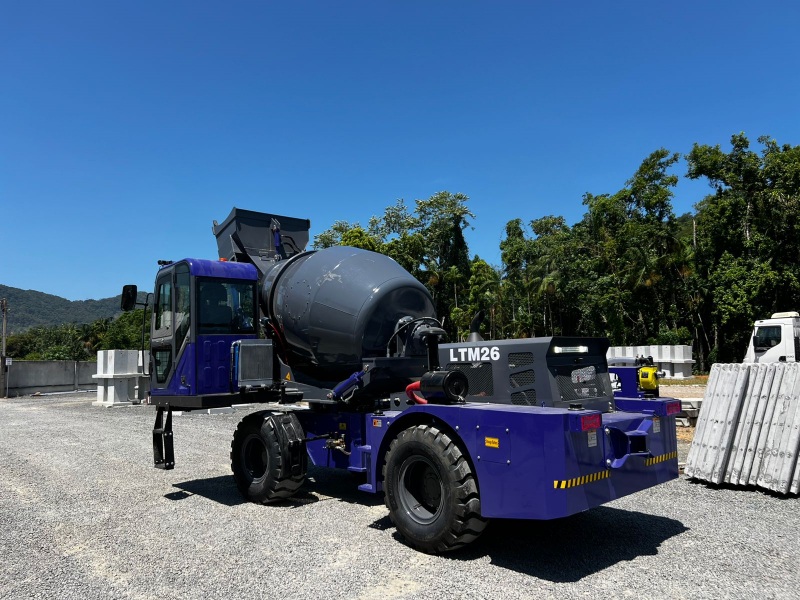
1. Die Mischtrommel dreht sich nicht oder nur schwach
Bei Maschinen mit hydraulisch angetriebenen Mischtrommeln sollte die Fehlersuche in der Regel mit dem Hydrauliksystem beginnen.
Unzureichendes oder verunreinigtes Hydrauliköl, verstopfte Filter und Probleme mit der Hydraulikpumpe, dem Motor oder dem Steuerventil können die Leistung verringern. Darüber hinaus können langfristige Überlastung und große Mengen an erhärtetem Beton, die sich im Inneren der Trommel angesammelt haben, den Rotationswiderstand erheblich erhöhen.
Wenn dieses Problem auftritt, überprüfen Sie zuerst den Zustand und den Füllstand des Hydrauliköls, inspizieren Sie die externen Rohrleitungen auf Lecks und suchen Sie nach offensichtlichen Verstopfungen im Bereich der Mischtrommel.
Wenn diese grundlegenden Prüfungen die Ursache nicht aufdecken, darf die Trommel nicht weiter zwangsweise betrieben werden. Auch eine Erhöhung des Hydraulikdrucks ohne vorherige Diagnose wird nicht empfohlen. Stattdessen sollten Hydraulikpumpe, Motor und Untersetzungsgetriebe genauer untersucht werden.
Bei der täglichen Wartung des Hydrauliksystems gemäß den Herstellervorgaben und der umgehenden Reinigung der Mischtrommel nach jedem Einsatz sind dies wirksame Maßnahmen, um diese Art von Problem zu vermeiden.
2. Das Hydrauliksystem arbeitet langsam oder hat zu wenig Leistung.
Das Hydrauliksystem ist ein wichtiger Bestandteil eines selbstladenden Betonmischers. Komponenten wie die Ladeschaufel, der Ladearm und die Mischtrommel können alle auf Hydraulikleistung angewiesen sein. Wenn die hydraulische Leistung nachlässt, betrifft das Problem daher oft mehrere Funktionen und nicht nur eine.
Beispielsweise kann das Anheben der Ladeschaufel merklich länger dauern, die Mischtrommel sich schwach drehen oder die Hydrauliköltemperatur nach einer gewissen Betriebszeit der Maschine deutlich ansteigen. Diese Symptome können darauf hindeuten, dass das Hydrauliksystem überprüft werden muss.
Häufige Ursachen sind unzureichendes oder verunreinigtes Hydrauliköl, verstopfte Filtersysteme, undichte Schläuche oder Dichtungen sowie Verschleiß an Hydraulikpumpen oder Steuerventilen. Bei der routinemäßigen Wartung ist der Zustand des Hydrauliköls genau zu beobachten, Schläuche und Anschlüsse sind auf Undichtigkeiten zu prüfen, und es ist darauf zu achten, ob sich die Maschinenbewegungen merklich vom Normalbetrieb unterscheiden.
Die Sauberhaltung des Hydrauliköls ist besonders wichtig, da Verunreinigungen, die in das System gelangen, den Verschleiß von Präzisionsbauteilen wie Ventilen, Pumpen und Motoren beschleunigen können.
Bei Beschädigung eines Schlauchs oder Austritt von Hochdruck-Hydrauliköl die Maschine sofort anhalten. Niemals mit den Händen nach einem Hochdruck-Hydraulikölleck suchen. Druckprüfungen und Reparaturen dürfen nur von qualifizierten Fachkräften durchgeführt werden.
3. Motorüberhitzung
Eine Überhitzung des Motors tritt eher auf Baustellen mit hohen Temperaturen und starker Staubbelastung auf oder wenn die Maschine über längere Zeiträume unter hoher Last betrieben wird.
Niedriger Kühlmittelstand, Schmutz- und Ablagerungsreste auf der Kühleroberfläche, Leckagen im Kühlsystem sowie Probleme mit Lüfter, Riemen, Wasserpumpe oder Thermostat können die normale Motorkühlung beeinträchtigen. Auch ein Dauerbetrieb unter Überlastung kann das Kühlsystem zusätzlich belasten.
Wenn eine Temperaturwarnung erscheint, reduzieren Sie die Betriebslast und schalten Sie die Maschine gemäß der Betriebsanleitung sicher ab. Nachdem der Motor ausreichend abgekühlt ist, prüfen Sie den Kühlmittelstand, den Kühler sowie alle Schläuche und Riemen, die gefahrlos inspiziert werden können. Öffnen Sie das Kühlsystem niemals, solange der Motor noch heiß ist.
Bei Maschinen, die häufig in Umgebungen mit Sand, Steinstaub oder Zementstaub eingesetzt werden, ist die Reinigung der Kühler besonders wichtig. Wenn der Motor nach der Reinigung und grundlegenden Inspektionen weiterhin häufig überhitzt, sollten das Kühlsystem und möglicherweise der Motor selbst genauer untersucht werden.
4. Der Motor springt schwer an.
Wenn eine Maschine, die zuvor schnell ansprang, allmählich langsamer dreht, mehrere Startversuche benötigt oder gar nicht mehr anspringt, sollte das Problem nicht einfach auf schlechtes Wetter zurückgeführt werden.
Eine schwache Batterie, lockere Batteriepole oder Korrosion können die Startleistung beeinträchtigen. Ein verstopfter Luftfilter oder verunreinigter Kraftstoff können ebenfalls Startschwierigkeiten verursachen.
Darüber hinaus können Probleme mit dem Kraftstofffilter, dem Anlasser oder dem Kraftstoffeinspritzsystem ähnliche Symptome hervorrufen.
Beginnen Sie mit der Überprüfung der Warnanzeigen auf dem Armaturenbrett, der Batterieanschlüsse, der Kraftstoffzufuhr und der Luftfilter, da diese Punkte relativ einfach zu überprüfen sind.
Lässt sich die Maschine immer noch nicht starten, insbesondere wenn ein Problem mit dem Hochdruck-Kraftstoffsystem, der Kraftstoffeinspritzdüse oder dem elektronischen Steuergerät vermutet wird, wird eine professionelle Diagnose empfohlen.
5. Ladeschaufel oder Ladearm arbeitet nicht ordnungsgemäß
Die Selbstladefunktion ist eines der Hauptmerkmale, das diese Maschinenart von herkömmlichen Betonmischern unterscheidet. Probleme mit dem Ladesystem können daher die Effizienz der Betonproduktion vor Ort direkt beeinträchtigen.
Typische Symptome sind unter anderem, dass sich die Ladeschaufel langsamer als gewöhnlich hebt, ihre normale Höhe nicht erreicht, während der Bewegung wackelt oder nach dem Anheben nicht sicher in Position bleiben kann.
Da der Lademechanismus üblicherweise hydraulisch angetrieben wird, können diese Probleme durch unzureichenden Hydraulikdruck, Leckagen im Zylinder, Fehler im Steuerventil oder Leckagen im Hydraulikschlauch verursacht werden.
Sie können auch durch verschlissene Drehzapfen oder durch Sand, Zuschlagstoffe oder ausgehärteten Beton, der den Mechanismus blockiert, verursacht werden.
Untersuchen Sie zunächst den Bereich um den Lademechanismus auf offensichtliche Fremdkörper, Lecks oder strukturelle Schäden.
Wenn sich die Schaufel von selbst absenkt, die Bewegung unkontrollierbar wird oder wichtige Bauteile beschädigt werden, muss der Betrieb der Maschine sofort eingestellt werden.
Am wichtigsten ist, dass Sie niemals unter eine angehobene Ladeschaufel oder einen Ladearm gelangen oder darunter arbeiten, es sei denn, eine zuverlässige mechanische Abstützung und geeignete Sicherheitsisolierungsmaßnahmen sind vorhanden.
6. Mangelhafte Mischleistung oder ungleichmäßiger Beton
Manchmal liegt kein offensichtlicher mechanischer Defekt vor, aber der hergestellte Beton ist weniger homogen oder benötigt deutlich mehr Mischzeit als üblich. Auch dieser Fall bedarf Beachtung.
Das Problem liegt nicht unbedingt an der Mischtrommel selbst.
Überladung, ungenaue Wasserzufuhr oder Fehler im Wiegesystem können die tatsächlichen Mischungsverhältnisse verändern. Auch eine anormale Trommeldrehzahl, übermäßige Materialablagerungen in der Trommel oder starker Verschleiß der Mischkomponenten können die Mischleistung beeinträchtigen.
Aus diesem Grund sollte bei der Fehlersuche die Beladungsmenge, das Wiegesystem, das Wasserversorgungssystem und das Mischsystem gemeinsam betrachtet werden, anstatt einfach nur die Motordrehzahl oder die Trommeldrehzahl zu erhöhen.
Eine langfristige Überlastung kann nicht nur die Betonmischqualität verringern, sondern auch die Belastung der Hydrauliksysteme und Getriebekomponenten erhöhen.
Deshalb ist es beim Kauf eines selbstladenden Betonmischers auch wichtig, die passende Maschinenkapazität auf der Grundlage des tatsächlichen Betonbedarfs pro Charge auszuwählen, um künftige Geräteprobleme zu vermeiden.
7. Ablagerungen von gehärtetem Beton im Inneren der Mischtrommel
Im Vergleich zu vielen anderen mechanischen Schäden lässt sich die Bildung von Betonresten relativ leicht verhindern. Ist der Restbeton jedoch erst einmal vollständig ausgehärtet, kann seine Entfernung schwierig werden.
Mit zunehmender Ansammlung von erhärtetem Beton verringert sich allmählich das effektive Innenvolumen der Mischtrommel. Dies erhöht auch den Mischwiderstand und kann sowohl die Misch- als auch die Austragsleistung beeinträchtigen.
In schweren Fällen kann eine übermäßige Ablagerung sogar zu einer ungleichmäßigen Beladung der Mischtrommel führen.
Aus diesem Grund ist es äußerst wichtig, die Maschine nach jedem Einsatz zu reinigen.
Warten Sie nicht, bis der restliche Beton ausgehärtet ist, bevor Sie ihn entfernen. Die Mischtrommel, der Austragsbereich und die Beladevorrichtung sollten gereinigt werden, solange sich die restlichen Materialreste noch leicht entfernen lassen.
Wenn sich bereits eine große Menge an erhärtetem Beton gebildet hat und eine mechanische Entfernung erforderlich ist, sollte die Maschine zunächst abgeschaltet und alle relevanten Energiequellen gemäß den Wartungsverfahren isoliert werden, um eine versehentliche Trommelbewegung zu verhindern.
Abschluss
Häufige Probleme bei selbstladenden Betonmischern hängen oft mit der Mischtrommel, dem Hydrauliksystem, dem Motor, dem Ladesystem und dem Wiegesystem zusammen.
Diese Probleme treten in der Regel nicht ohne Vorwarnung auf. Langsamere Bewegungen, ungewöhnliche Geräusche, Ölaustritt, steigende Temperaturen oder abweichende Messdaten können allesamt frühe Anzeichen für Geräteprobleme sein.
Regelmäßige Inspektionen, die Sauberhaltung des Hydrauliksystems, die umgehende Entfernung von Betonresten und die Durchführung planmäßiger Wartungsarbeiten gemäß den Herstellervorgaben können dazu beitragen, unnötige Ausfallzeiten zu reduzieren.
Für Bauunternehmen, die den Kauf von Ausrüstung planen, ist die Auswahl der richtigen Maschinenkapazität und -konfiguration gleichermaßen wichtig.
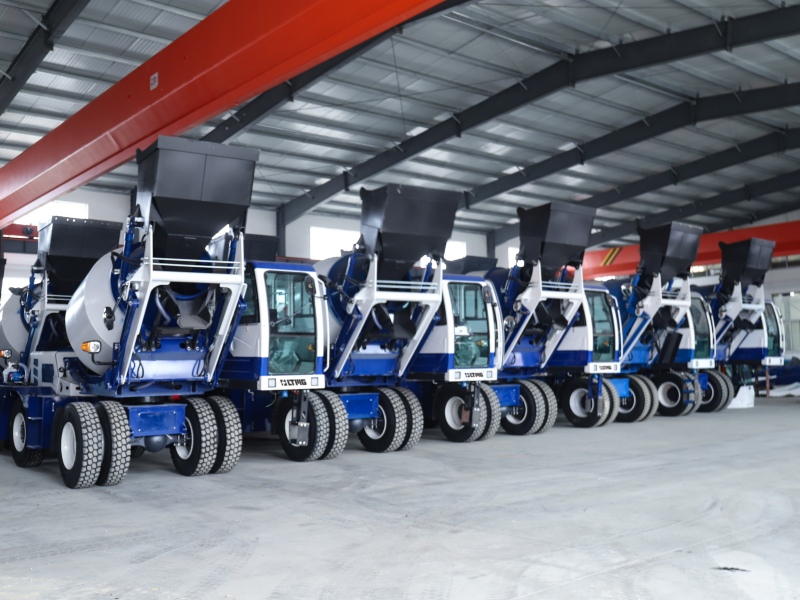
Die selbstladenden Betonmischer von LTMG vereinen Beladen, Wiegen, Mischen, Transportieren und Entladen in einer mobilen Maschine. Je nach Anforderungen im Straßenbau, Wohnungsbau und anderen Baustellenanwendungen für die Betonproduktion können verschiedene Konfigurationen gewählt werden.
Wenn Sie aktuell einen selbstladenden Betonmischer suchen, kontaktieren Sie gerne LTMG. Wir empfehlen Ihnen eine passende Maschine, die Ihren Projektanforderungen entspricht.

Tel : +86 195 5920 7570
Email : market@ltmg.com
WhatsApp : +86 195 5920 7570
Hinzufügen : LTMG Group, Electronics City(Xiamen) International Innovation Center, No.23, Duiying Road, Jimei District, Xiamen, China


Holen Sie sich die neuesten Produktinformationen und Angebotsinformationen



