Ein Baggerlader kann zum Ausheben von Gräben, zum Verladen von Erde und Zuschlagstoffen, zum Verfüllen von Baugruben, zur Baustellenvorbereitung, zur Straßeninstandhaltung, zur Verlegung von Versorgungsleitungen, zum Transport von landwirtschaftlichen Materialien, zum Aufbrechen von Fahrbahnen und für eine Vielzahl allgemeiner Bauarbeiten eingesetzt werden.
Der Grund, warum es so viele gibt Baggerlader Der Nutzen besteht darin, dass eine Maschine einen Frontlader mit einer Heckaushubeinheit kombiniert.
Beim Aushub werden die hinteren Stabilisatoren üblicherweise abgesenkt, um eine stabilere Arbeitsplattform zu schaffen. Je nach Modell kann die Maschine außerdem mit Allradantrieb (4WD), Zusatzhydraulik, Schnellwechslern, einem ausfahrbaren Löffelstiel und verschiedenen Stabilisatorkonfigurationen ausgestattet sein.
Dieses Design unterscheidet einen Baggerlader auch von einem reinen Bagger. Bagger sind primär für Aushubarbeiten und Materialumschlag konzipiert, während Baggerlader besser für Arbeiten geeignet sind, die einen häufigen Wechsel zwischen Aushub- und Ladevorgängen auf derselben Baustelle erfordern.
Was kann ein Baggerlader also leisten? Hier sind 10 seiner häufigsten Einsatzgebiete.
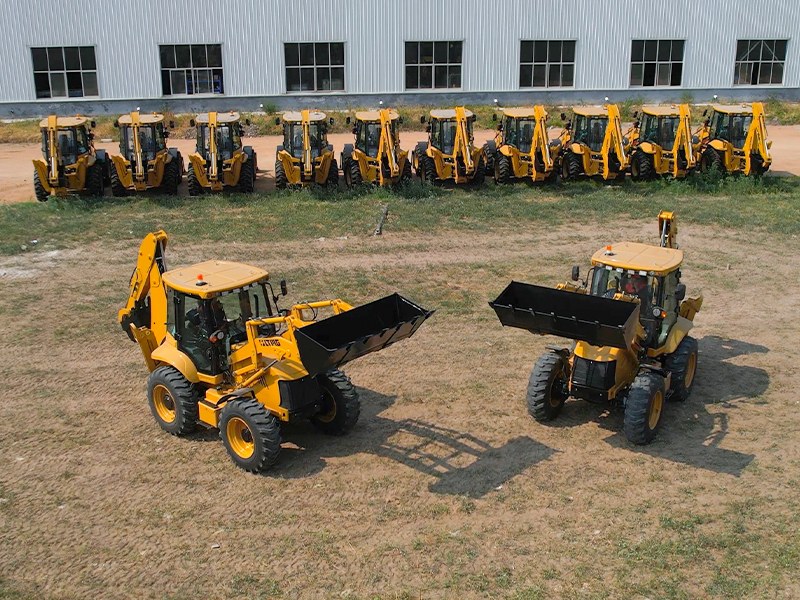
1. Aushub und Grabenbau
Aushubarbeiten gehören zu den häufigsten Einsatzgebieten von Baggerladern. Der Heckbagger kann zum Graben verwendet werden:
Eine Standard-Baggerschaufel eignet sich für allgemeine Erdbewegungsarbeiten, während eine schmalere Grabenschaufel kann dazu beitragen, die Grabenbreite zu kontrollieren und unnötige Aushubarbeiten zu reduzieren.
Baggerlader sind besonders praktisch, wenn das Aushubmaterial auch transportiert werden muss. Sobald der Graben fertiggestellt ist, kann der Bediener die Maschine umpositionieren und mit der Frontladerschaufel das Aushubmaterial abtransportieren oder den Graben wieder auffüllen.
Die größte Einschränkung ist der Umfang der Aushubarbeiten. Bei der Auswahl einer Maschine sollten Faktoren wie maximale Grabtiefe, Grabreichweite, Ausbrechkraft, Bodenbeschaffenheit und erforderliche Produktivität berücksichtigt werden.
Für kontinuierliche Tiefbauarbeiten oder groß angelegte Erdbewegungsprojekte ist ein Spezialbagger in der Regel produktiver.
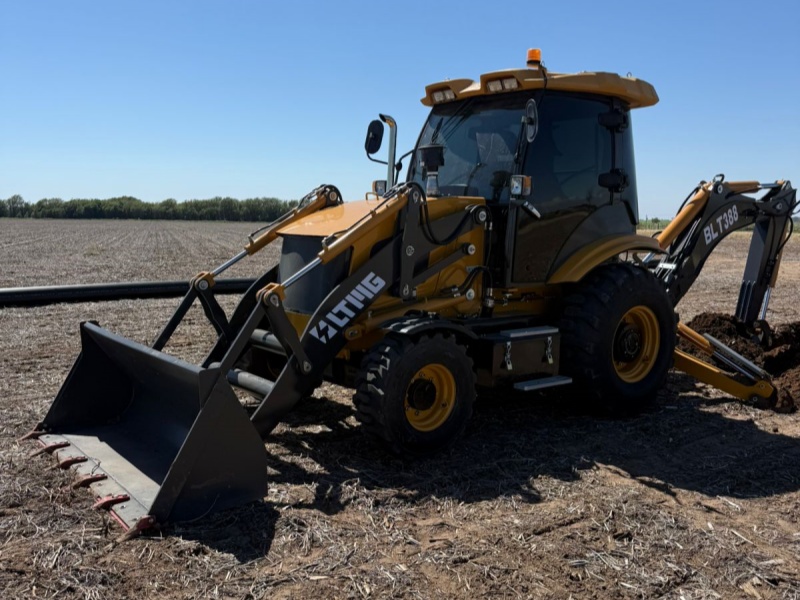
2. Verladung und Materialhandhabung
Der Frontlader ermöglicht es einem Baggerlader, eine breite Palette von Schüttgütern zu handhaben, darunter:
Zu den üblichen Aufgaben gehören das Beladen von Lastwagen, das Bewegen von Aushubmaterial, das Verteilen von Zuschlagstoffen, das Verfüllen von Gräben und das Aufräumen von Baustellen.
Für die meisten Schüttgutumschlagsaufgaben ist ein handelsüblicher Mehrzweckeimer ausreichend. 4-in-1-Eimer kann zusätzliche Funktionen wie Greifen, Planieren, Nivellieren und kontrolliertes Abkippen bereitstellen.
Wenn Maschine, Anbaugerät und Nennlastkapazität richtig aufeinander abgestimmt sind, Palettengabeln kann auch zum Transport von palettierten Materialien verwendet werden.
Wenn es bei der Arbeit jedoch hauptsächlich um kontinuierliches Verladen großer Mengen geht, bietet ein speziell dafür entwickelter Radlader in der Regel eine besser geeignete Maschinenkonfiguration und eine höhere Produktivität.
Aus diesem Grund eignet sich ein Baggerlader besser für gemischte Anwendungen, bei denen das Verladen nur ein Teil der Gesamtarbeit ist.
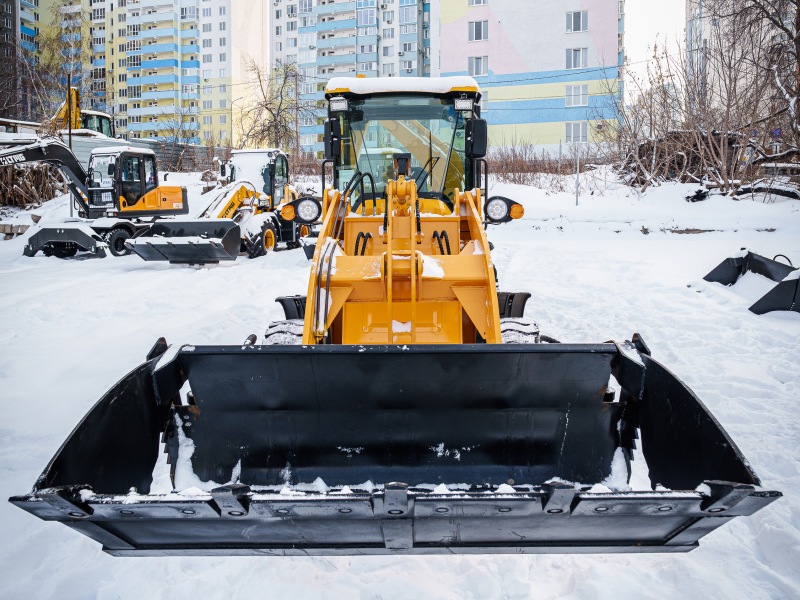
3. Straßenbau und -instandhaltung
Ein Baggerlader, der im Bauwesen eingesetzt wird, wird auch häufig für Straßenreparaturen und -instandhaltung verwendet.
Zu den typischen Aufgaben gehören:
Ausgestattet mit einem HydraulikhammerDer Heckbagger kann Beton oder Asphalt aufbrechen, bevor die Schaufel des Frontladers das aufgebrochene Material abtransportiert.
Je nach Konfiguration der Anbaugeräte können auch Kehrmaschinen und andere Straßeninstandhaltungsgeräte installiert werden, um die Einsatzmöglichkeiten der Maschine weiter auszubauen.
Ein Baggerlader kann Grader, Fertiger, Fräsmaschinen oder Walzen bei großen Straßenbauprojekten nicht ersetzen. Sein Vorteil liegt darin, dass eine einzige Maschine mehrere unterstützende und kleinere Bauaufgaben übernehmen kann.
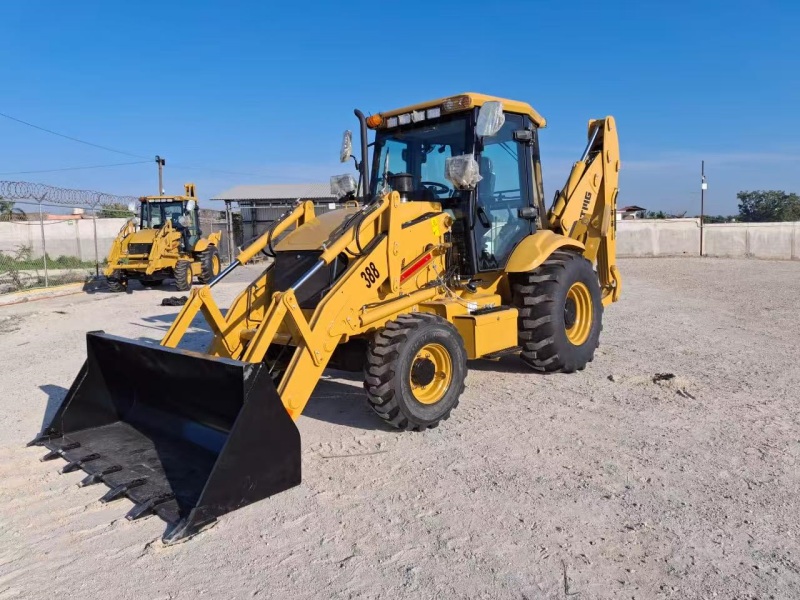
4. Installation und Reparatur von Versorgungsleitungen
Für Erdarbeiten eignen sich Baggerlader besonders gut, da beide Enden der Maschine während desselben Projekts eingesetzt werden können.
Ein typischer Reparaturprozess für Versorgungsleitungen kann Folgendes umfassen:
Für die Aushubarbeiten eignet sich eine Standard-Baggerschaufel oder ein Grabenfräsenlöffel. Ein Hydraulikhammer kann zum Aufbrechen von Beton oder Asphalt verwendet werden, während ein Erdbohrer für bestimmte Bohrlöcher für Strommasten oder andere Bohrarbeiten geeignet sein kann.
Vor dem Einsatz eines Baggerladers für den Bau von Versorgungsleitungen sollten Bauunternehmer die erforderliche Grabentiefe und -breite, die Lage der unterirdischen Versorgungsleitungen, die Bodenbeschaffenheit, den verfügbaren Arbeitsraum und die erforderlichen Anbaugeräte überprüfen.
Für tiefe Versorgungsleitungen oder das Ausheben von durchgehenden Gräben über lange Strecken kann ein Spezialbagger immer noch eine höhere Produktivität bieten.
5. Landschaftsgestaltung
Bei Landschaftsbauprojekten sind häufig Aushubarbeiten, Planierungsarbeiten und Materialtransporte erforderlich, wodurch sie sich ebenfalls gut für den Einsatz von Baggerladern eignen.
Zu den üblichen Landschaftspflegearbeiten gehören:
Mit einem Erdbohreraufsatz lassen sich Löcher für Zaunpfähle oder Pflanzlöcher bohren.
Ein Greifer oder ein hydraulischer Daumen kann die Kontrolle beim Umgang mit Steinen, Ästen, Baumstämmen oder unregelmäßigem Schutt verbessern.
Mit der Schaufel des Frontladers lassen sich dann Erde, Kies, Mulch und andere Landschaftsbaumaterialien auf dem Gelände bewegen.
Die größte Einschränkung ist die Maschinengröße. Auf bestehenden Rasenflächen, weichem Untergrund, in Wohngärten oder auf sehr beengten Baustellen bieten Minibagger oder andere Kompaktgeräte eine bessere Manövrierfähigkeit und verursachen weniger Bodenbeeinträchtigungen.
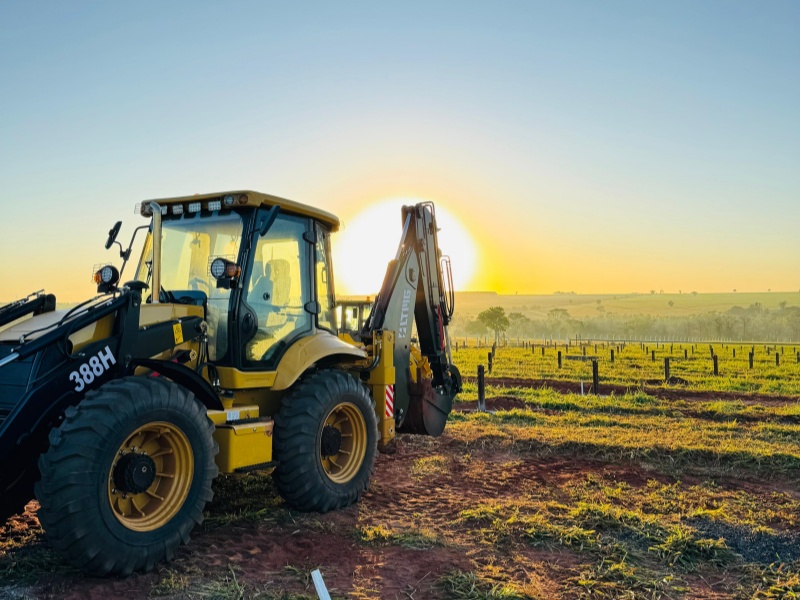
6. Abbrucharbeiten
Mit Baggerladern lassen sich leichte Abbrucharbeiten durchführen, insbesondere bei Projekten, die sowohl das Zerkleinern des Materials als auch die Beseitigung der Trümmer erfordern.
Ein Hydraulikhammer kann zum Brechen verwendet werden:
Sobald das Material zerkleinert ist, kann der Bediener mit einer Schaufel, einem Greifer oder einem anderen geeigneten Anbaugerät für den Materialumschlag die Trümmer aufnehmen und abtransportieren.
Dadurch eignen sich Baggerlader für Renovierungsprojekte, Straßenreparaturen, Baustellenvorbereitung und kleinere Abbrucharbeiten.
Der Abriss großer Bauwerke stellt jedoch eine andere Anwendungsart dar. Wenn das Projekt eine größere Arbeitshöhe, schwerere Abbruchgeräte, höhere Aushubkräfte oder eine 360-Grad-Drehung erfordert, ist ein Spezialbagger in der Regel besser geeignet.
7. Landwirtschaft und landwirtschaftliche Arbeit
Baggerlader sind auch auf Bauernhöfen äußerst praktisch, da landwirtschaftliche Arbeiten selten nur eine einzige Art von Aufgabe umfassen.
Typische Anwendungsgebiete sind:
Mit einem Erdbohrer lassen sich Löcher für Zaunpfähle oder Pflanzlöcher bohren.
Mit den Palettengabeln lassen sich bestimmte verpackte oder palettierte Materialien bewegen, während die Ladeschaufel Erde, Kies, Mist und andere Schüttgüter innerhalb der Nennkapazität der Maschine transportieren kann.
Für landwirtschaftliche Anwendungen sollten Käufer besonders auf Allradantrieb, Reifentyp, schlammige Bodenverhältnisse, Bodenfreiheit, Maschinengewicht, Zugangsbreite und Geländebeschaffenheit achten.
Eine leistungsstärkere Maschine ist nicht unbedingt die bessere Wahl für landwirtschaftliche Arbeiten. Wenn die Maschine zu schwer oder zu groß ist, kann sie möglicherweise nicht die Bereiche erreichen, in denen die Arbeit ausgeführt werden muss.
8. Schneeräumung
Baggerlader können auch zur Schneeräumung im Winter eingesetzt werden, insbesondere von Bauunternehmen oder Kommunen, die eine ganzjährige Geräteauslastung anstreben.
Typische Arbeitsbereiche umfassen:
Wenn es nicht ausreicht, den Schnee einfach zur Seite zu schieben, kann die Ladeschaufel den Schnee auch in Lastwagen zum Abtransport laden.
Für Einsätze, die sich hauptsächlich auf die großflächige Schneeräumung konzentrieren, sind spezielle Radlader oder LKW-montierte Schneeräumgeräte im Allgemeinen produktiver.
Ein Baggerlader eignet sich besser als Wintererweiterung für bereits im Bauwesen, bei kommunalen Arbeiten oder in der Landwirtschaft eingesetzte Geräte.
9. Baustellenvorbereitung
Baggerlader werden häufig in den frühen Phasen der Baustellenvorbereitung eingesetzt, da sie sowohl Aushub- als auch Ladearbeiten durchführen können.
Typische Berufe sind:
Eine Ladeschaufel kann die meisten dieser Aufgaben erledigen.
Bei verdichtetem Boden, Beton, Vegetation oder unregelmäßigem Schutt können auch Anbaugeräte wie Aufreißer, Greifer, Hydraulikhämmer oder 4-in-1-Schaufeln eingesetzt werden.
Für groß angelegte Erdbewegungsprojekte benötigen Bauunternehmen in der Regel weiterhin spezialisierte Bagger, Bulldozer, Grader und Radlader.
Ein Baggerlader eignet sich daher eher als vielseitige Unterstützungsmaschine für die Baustellenvorbereitung denn als vollständiger Ersatz für einen ganzen Fuhrpark von Erdbewegungsmaschinen.
10. Kommunale und allgemeine Bauarbeiten
Kommunale Abteilungen und Generalunternehmer bearbeiten oft von Tag zu Tag – oder sogar von Stunde zu Stunde – unterschiedliche Arten von Arbeiten.
Dieselbe Mannschaft repariert morgens eine Wasserleitung, reinigt nachmittags einen Entwässerungsgraben und fährt dann zu einer anderen Baustelle, um Zuschlagstoffe zu laden.
Typische Einsatzgebiete von Baggerladern im kommunalen Bereich sind:
Schaufeln, Hydraulikhämmer, Erdbohrer, Kehrmaschinen, Palettengabeln und Schneeräumgeräte können die Einsatzmöglichkeiten der Maschine noch erweitern.
Diese vielfältigen Einsatzmöglichkeiten verdeutlichen den Hauptvorteil eines Baggerladers: Er bietet zwar nicht für jede einzelne Aufgabe die höchste Produktivität, kann aber mit einer einzigen Maschine viele verschiedene Aufgaben erledigen.
Fazit: Die Wahl des richtigen Baggerladers für Ihre Anwendung
Baggerlader haben ein so breites Anwendungsspektrum, weil eine einzige Maschine Aushub, Laden, Materialtransport, Mobilität auf der Baustelle und Vielseitigkeit bei der Anbaugerätemontage vereint.
Sie können für das Ausheben von Versorgungsgräben, das Verladen von Schüttgut, die Straßeninstandhaltung, Landschaftsbauarbeiten, leichte Abbrucharbeiten, die Instandhaltung von landwirtschaftlichen Betrieben, die Schneeräumung, die Baustellenvorbereitung und eine breite Palette kommunaler Bauaufgaben eingesetzt werden.
Dies bedeutet jedoch nicht, dass ein Baggerlader für jedes Projekt die beste Maschine ist.
Für intensive, kontinuierliche Aushubarbeiten kann ein Spezialbagger effizienter sein. Bei kontinuierlichem Hochvolumentransport ist ein Radlader in der Regel im Vorteil.
Baggerlader eignen sich am besten für Projekte, bei denen Vielseitigkeit und häufiger Wechsel zwischen verschiedenen Aufgaben im Vordergrund stehen, anstatt maximale Produktivität bei einem spezialisierten Arbeitsgang.
Wenn Sie einen Baggerlader für Bau-, Landwirtschafts-, Versorgungs- oder kommunale Anwendungen auswählen, sollten Sie vor der Modellauswahl folgende wichtige Faktoren vergleichen:
Sie können unsere Baggerladermodelle erkunden, um verschiedene Konfigurationen zu vergleichen, oder sich an das LTMG-Team wenden, um Spezifikationen zu erhalten, die auf Ihre konkreten Anwendungsanforderungen zugeschnitten sind. Wir helfen Ihnen gerne bei der Auswahl des Baggerladers, der am besten zu Ihren Arbeitsbedingungen passt.

Tel : +86 195 5920 7570
Email : market@ltmg.com
WhatsApp : +86 195 5920 7570
Hinzufügen : LTMG Group, Electronics City(Xiamen) International Innovation Center, No.23, Duiying Road, Jimei District, Xiamen, China


Holen Sie sich die neuesten Produktinformationen und Angebotsinformationen



