




1. Schluss mit der Weltraumangst: Diese „schwer zugänglichen Ecken“, wo schwere Maschinen machtlos sind
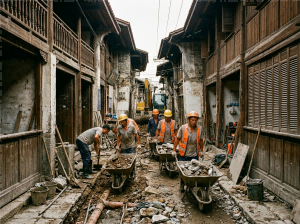
Die festgefahrene Situation bei den Altstadtsanierungen
Wenn ein Bauprojekt startet, stellen enge Gassen und empfindliche unterirdische Versorgungsleitungen Herausforderungen dar, denen sich die Bauunternehmer stellen müssen. In solchen Fällen bleiben große Baumaschinen oft am Eingang stecken und können nicht weiterfahren, sodass Handarbeit die einzig praktikable Option ist. Die Arbeiter transportieren Schotter Schubkarre für Schubkarre – ein ineffizientes Verfahren, das die Lohnkosten in die Höhe treibt.
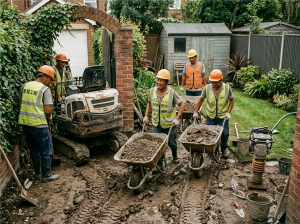
Das Profit-Dilemma im Landschaftsgartenbau
Für Landschaftsgärtner stellen kleinere Projekte wie die Gestaltung von Hausgärten aufgrund enger Zufahrten oft eine Herausforderung dar. Selbst wenn die Einfahrt für den Einsatz von Maschinen freigeräumt wird, hinterlassen schwere Geräte tiefe Spuren im Rasen – ganz abgesehen davon, dass die begrenzte Größe des Gartens die Manövrierfähigkeit der Maschinen stark einschränkt. In solchen Fällen bleibt vielen Betrieben nichts anderes übrig, als auf Handarbeit zurückzugreifen, was die Gewinnmargen immer wieder schmälert – ein Dilemma, das erklärt, warum viele kleinere Projekte unrentabel bleiben.
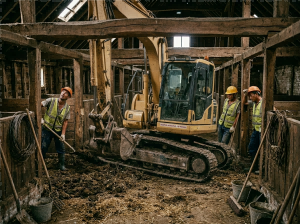
Die Herausforderung der Sanierung altmodischer Bauernhöfe
Wenn der Konflikt zwischen „Platzbeschränkungen“ und „Baueffizienz“ unauflöslich wird, Kompaktlader Dank ihrer agilen Manövrierfähigkeit und vielseitigen Leistungsfähigkeit erweisen sie sich als wirksame Lösung, um diese Sackgasse zu überwinden.
2. Die vier Kernvorteile von Kompaktladern
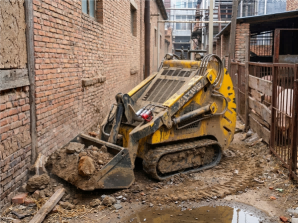
Das herausragendste Merkmal von Kompaktladern ist ihre Wendigkeit. Ihr einzigartiger Lenkmechanismus ermöglicht es, dass eine Seite der Räder beschleunigt, während die andere Seite stillsteht oder sich in die entgegengesetzte Richtung bewegt. Dadurch wird ein Nullwendekreis erreicht. Ob im dichten Stadtverkehr oder in engen Viehgehegen – sie manövrieren mühelos und bewältigen auch schwer zugängliche Stellen, die für größere Maschinen unerreichbar sind.
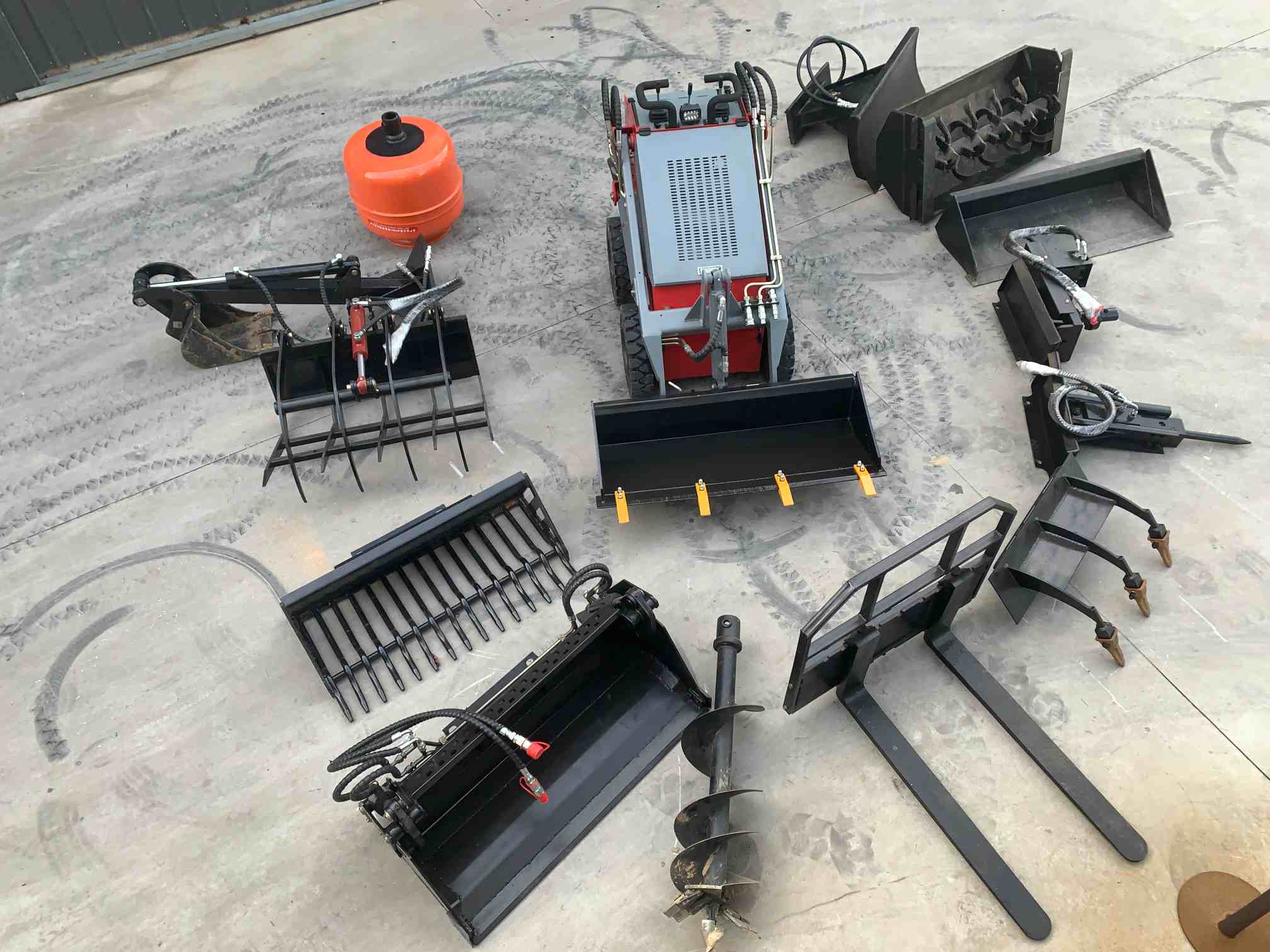
Ausgestattet mit einem praktischen Schnellwechselsystem ermöglicht die Maschine dem Bediener, innerhalb von weniger als zwei Minuten zwischen verschiedenen Anbaugeräten zu wechseln – ob Baugeräte wie Erdbohrer und Hydraulikhämmer oder Landwirtschaftsgeräte wie Mähwerke und Fräsen – ohne die Kabine verlassen zu müssen. Diese Vielseitigkeit verwandelt den Kompaktlader von einem einfachen Materialumschlagsfahrzeug in eine vielseitige Arbeitsplattform.
Basierend auf der Google API Big Data integriert es alle Website-Daten (Einträge, Gewichtung, Ranking, Traffic, Anfragen), sodass jede Website über eine eigene Keyword-Datenbank und ein wöchentliches Keyword-Überwachungssystem verfügt.
Wartungsarm, hohe Kapitalrendite
3. Wie wählt man den Kompaktlader aus, der am besten zu den eigenen Bedürfnissen passt?
● Antriebsart
Kompaktlader lassen sich nach Antriebsart kategorisieren in: Radlader Und Raupen-Kompaktlader:
○ Radlader mit Kompaktladerfunktion: Diese Modelle eignen sich für befestigte Oberflächen. Die Maschinen zeichnen sich durch hohe Mobilität aus und sind daher ideal für mobile Einsätze.
○ Raupen-Kompaktlader: Wenn Sie einen Kompaktlader auf weichem Untergrund, in Vegetation, Schnee oder in Sümpfen einsetzen möchten, ist diese Maschine genau das Richtige für Sie. Die starke Traktion der Raupenketten sorgt für hervorragende Betriebsstabilität.
● Nennlast
Kompaktlader werden üblicherweise nach ihrer Nennlast klassifiziert, die in drei Kategorien unterteilt wird: klein, mittel und groß. Sie können ein Modell entsprechend Ihren spezifischen Einsatzanforderungen auswählen.
○ Kleine KompaktladerMit einer Nennlast von weniger als 800 kg zeichnen sich diese Maschinen durch eine kompakte Bauweise aus und eignen sich für diverse Abbruch- und Landschaftsbauarbeiten in beengten Innenräumen.
○ Mittelgroße KompaktladerMit einem Nennbetriebsgewicht von ca. 800–1.000 kg bieten diese Modelle ein optimales Verhältnis zwischen Leistung und Wendigkeit. Sie eignen sich für die meisten Bau- und Landwirtschaftsarbeiten und sind die beliebteste Wahl unter den Käufern.
○ Große KompaktladerMit einer Nennlastkapazität von über 1.000 kg und leistungsstärkeren Motoren eignen sie sich für anspruchsvolle Aufgaben wie Bauarbeiten und Materialtransport.
● Antriebsoptionen
○ Konventionell DieselKompaktlader: Liefert ein hohes Drehmoment und eine starke Leistung bei niedriger Drehzahl und eignet sich daher für intensive Grab- und Zerkleinerungsarbeiten.
○ Sauber Elektrisch KompaktladerIm Gegensatz zu herkömmlichen dieselbetriebenen Kompaktladern sorgt das elektrische Antriebssystem für sauberere Emissionen und einen leiseren Betrieb.
4. Wichtige Spezifikationen und Merkmale, die beim Kauf zu berücksichtigen sind
● Modernes Betriebssystem:
○ Betriebssystem: Eine vollständig intelligente Betriebsplattform, die die Bedienung einfacher und präziser macht.
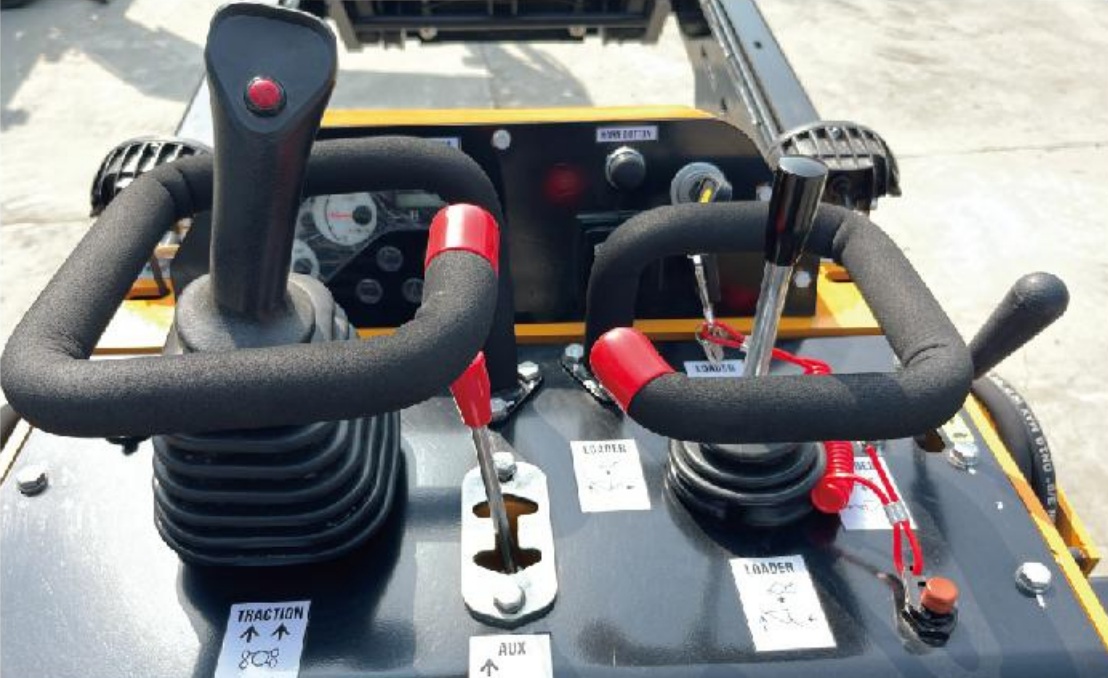
○ Digitales Dashboard: Überwacht die wichtigsten Funktionen und Nutzungsmuster des Kompaktladers und ermöglicht eine intuitive Datenüberwachung über ein LCD-Display.
● Betriebsparameter:
○ Hubhöhe: Gewährleistet, dass Ihre Materialien auf eine ausreichende Höhe gehoben werden können, um die Ladevorgänge abzuschließen.
○ Auskipphöhe: Der Abstand von der Schaufelspitze bis zur Vorderkante der Räder beim Auskippen in der Höhe; eine ausreichende Auskipphöhe verhindert Kollisionen mit der Ladefläche des Lkw.
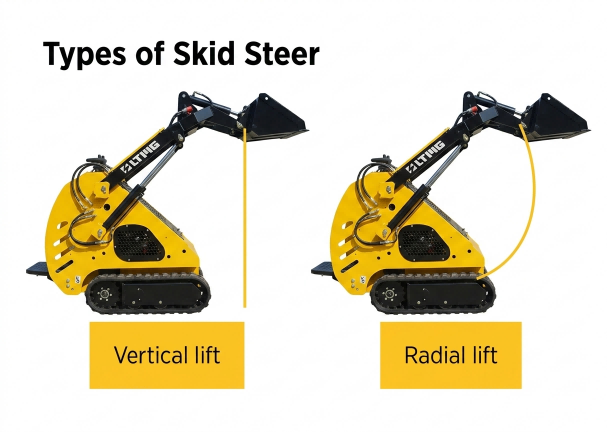
● Hubweg:
○ Vertikaler Hub: Ermöglicht eine größere Reichweite bei maximaler Hubhöhe.
○ Kurvenlift: Bietet maximale Leistung in mittleren bis niedrigen Positionen und ist ideal für Arbeiten auf Bodenhöhe.
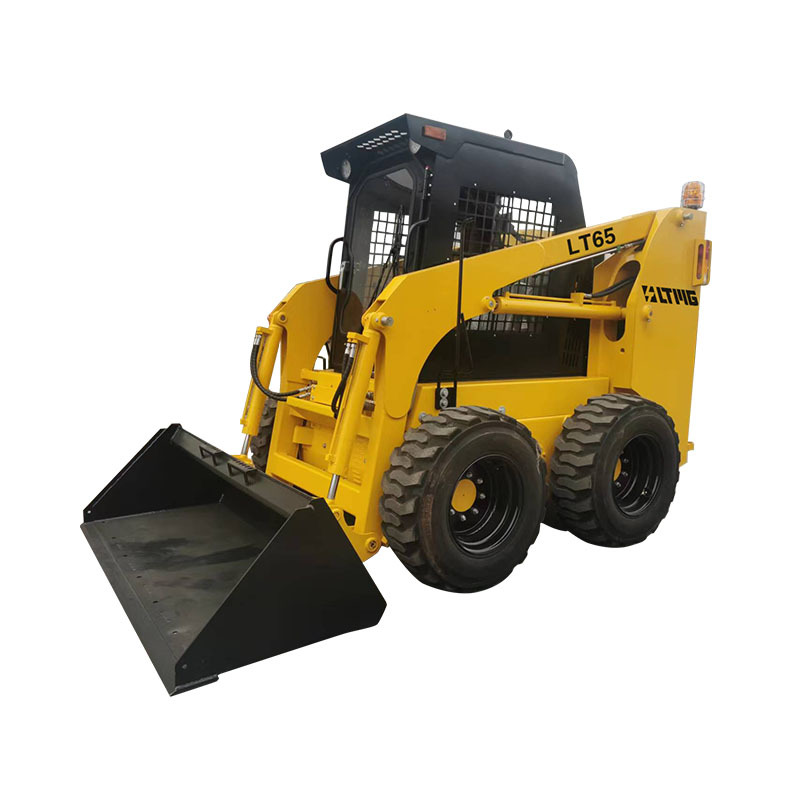
LT65 950KG Rad-Kompaktlader
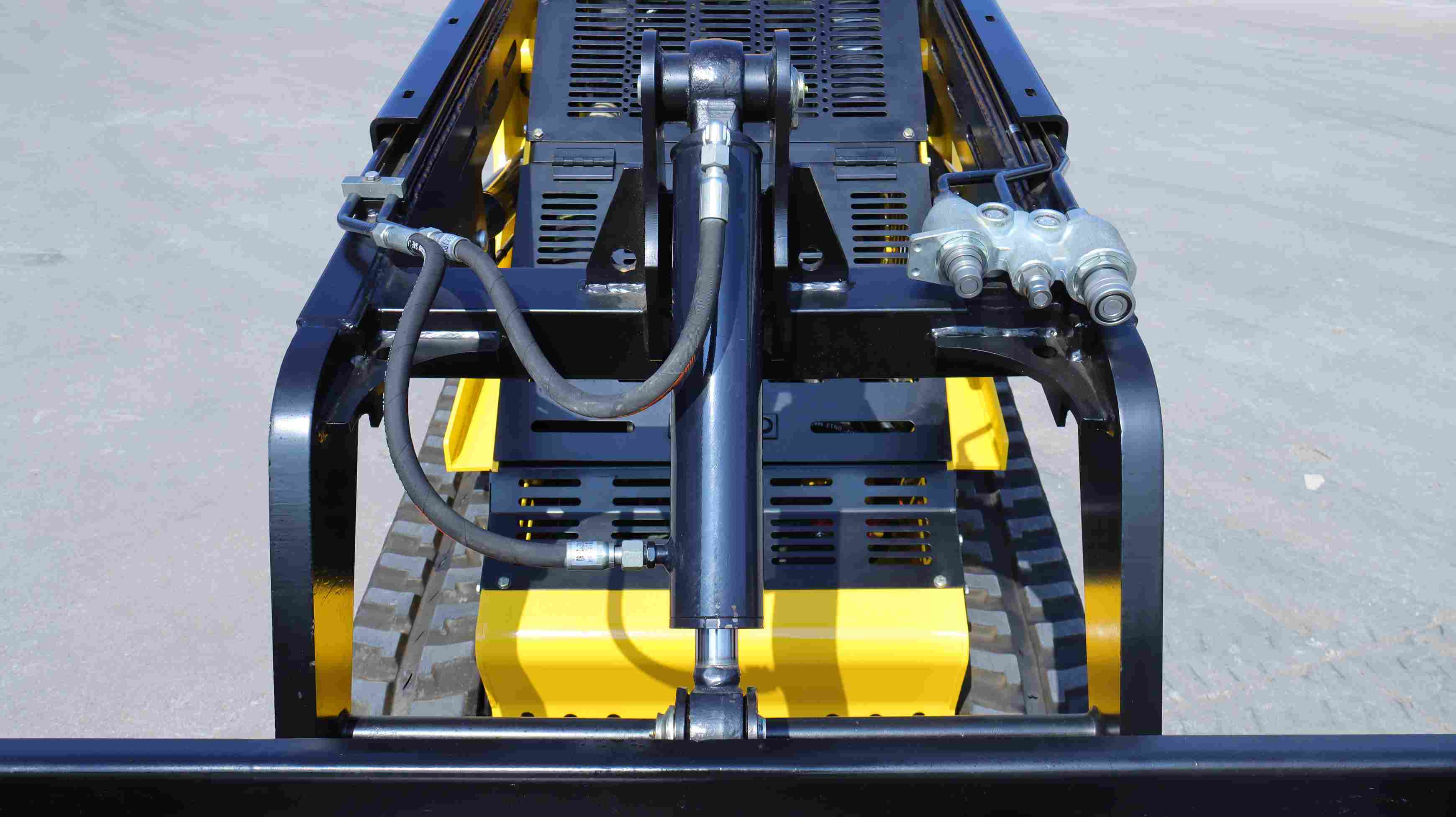
Die vertikale Hubstruktur, verstärkt durch einen großen Schubzylinder, ermöglicht eine erhebliche Grabkraft. Diese Konstruktion gewährleistet einen effizienten Betrieb bei anspruchsvollen Aufgaben, die ein starkes Heben und Graben erfordern.
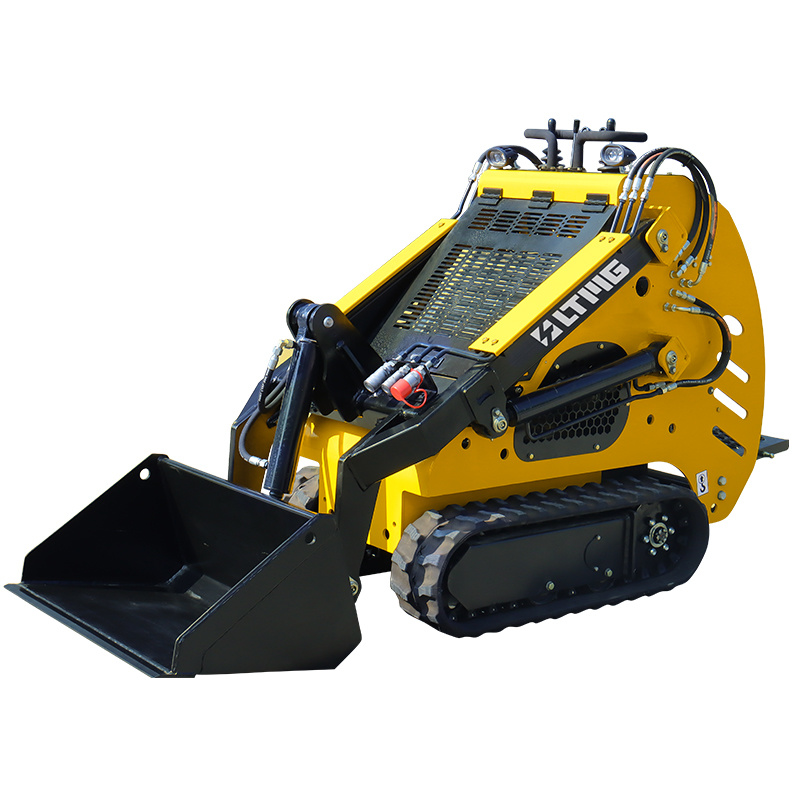 LTS22 240 kg Raupen-Kompaktlader
Verfügt über einen Ausleger mit variabler Reichweite, der auch auf engstem Raum eine hohe Tragfähigkeit gewährleistet. Ausgestattet mit verstärkten Gummiketten für verbesserte Anpassungsfähigkeit. Verfügt über eine intelligente Bedienplattform für einfache Handhabung.
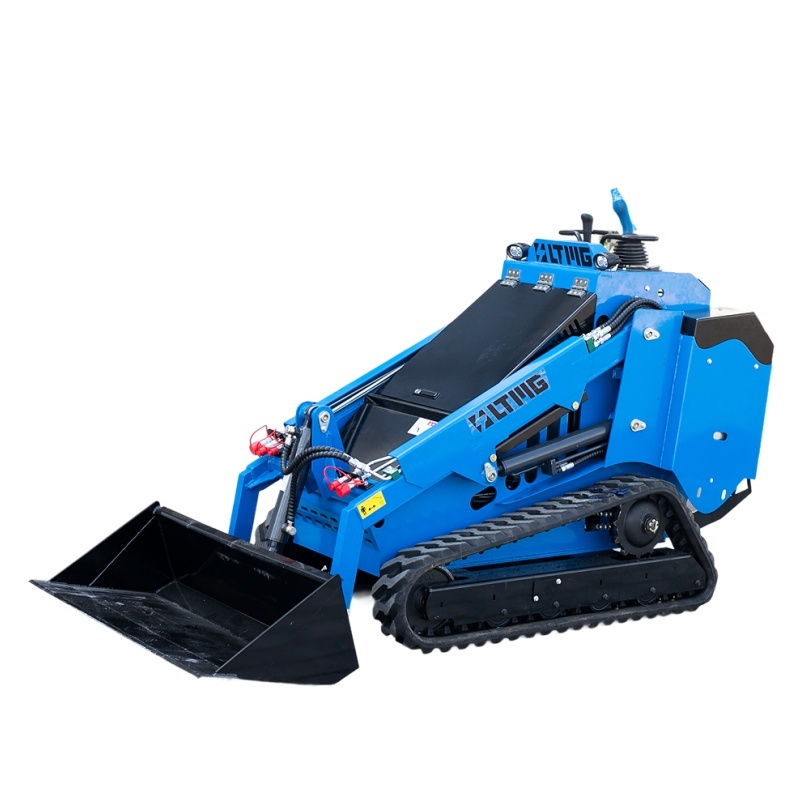 LTS22EV Elektro-KompaktladerFahr- und Hydrauliksystem werden unabhängig voneinander per elektronischer Signalübertragung gesteuert, was eine verzögerungsfreie Reaktion gewährleistet. Die Maschine kann 360°-Drehungen auf der Stelle ausführen und eignet sich daher besonders für Arbeiten in beengten Räumen. Sie bietet die Vorteile von Emissionsfreiheit, geringem Geräuschpegel und niedrigem Energieverbrauch.
Wir bieten außerdem eine breite Palette an austauschbaren Anbaugeräten – darunter Greifergabel, Heugabel, Schneefräse, Mischtank, Reifenklammer und Kehrbürste – um die Vielseitigkeit unserer Maschinen optimal zu nutzen. Ob in alten Scheunen, kleinen Höfen, engen Gassen, historischen Straßen oder sogar in Schiffsräumen: Kompaktlader ermöglichen durch die flexible und schnelle Kombination von Anbaugeräten maßgeschneiderte Lösungen.


